
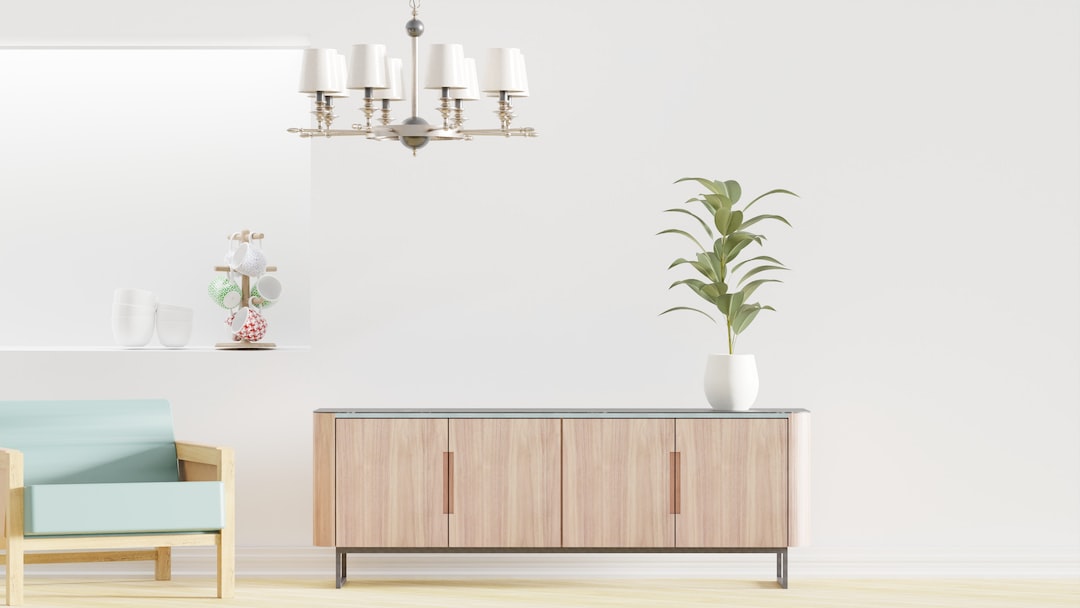
The act of housewarming, a venerable tradition, symbolizes the initiation of a new dwelling as a home. Gifts exchanged during this occasion often blend practicality with sentimentality, assisting the new occupants in establishing their domestic environment. Among these, light—an essential element of any living space—holds particular significance. A vintage-inspired light gift, therefore, offers a unique amalgamation of utility, aesthetic appeal, and historical resonance. This article explores the various facets of selecting, acquiring, and appreciating such a gift, serving as a guide for those navigating the nuances of housewarming etiquette and design.
Vintage-inspired lighting Miilighting , as opposed to authentic vintage pieces, reproduces the aesthetic characteristics of bygone eras using contemporary manufacturing techniques. This approach mitigates issues often associated with genuine antiques, such as electrical incompatibility, material degradation, and limited availability. The appeal lies in its ability to evoke nostalgia and a sense of history without the accompanying practical inconveniences.
Bridging Eras: Aesthetic Fusion
The aesthetic fusion inherent in vintage-inspired lighting allows for a seamless integration into diverse interior design schemes. Be it a farmhouse, industrial, or mid-century modern décor, these pieces act as stylistic anchors, drawing visual continuity between different design elements. They are not merely light sources but rather statements, pieces of functional art that speak to a particular design philosophy.
Practicality in Design
Beyond aesthetics, vintage-inspired lighting often prioritizes practical design. Reflecting the needs of their original eras, these fixtures frequently offer robust construction and focused illumination, a direct contrast to some more ephemeral contemporary designs. Consider the utilitarian beauty of early 20th-century factory lights, or the straightforward elegance of mid-century Scandinavian designs. This practicality ensures not only longevity but also effective task or ambient lighting.
Identifying Key Vintage Eras and Their Lighting Characteristics
Understanding the stylistic hallmarks of different vintage eras is crucial for selecting an appropriate gift. Each period offers distinct design philosophies that translate into unique lighting characteristics.
Victorian and Edwardian Eras (Late 19th – Early 20th Century)
Lighting from these periods often features elaborate ornamentation, drawing inspiration from Gothic, Renaissance, and Rococo motifs. Materials such as brass, bronze, and stained glass were prevalent. Gaslight aesthetics, with their intricate pipework and globe shades, influenced early electric fixtures.
- Chandeliers: Often grand and multi-tiered, featuring intricate scrolling and crystal prisms.
- Table and Floor Lamps: Heavy bases, often sculpted, with fabric or glass shades that might incorporate fringe or lacework.
- Sconces: Ornate brackets typically holding candle-like bulbs or small globed shades.
Art Deco (1920s – 1930s)
Art Deco lighting is characterized by geometric shapes, streamlined forms, and luxurious materials. The emphasis was on modernism, often incorporating industrial elements with opulent finishes. Think of the Chrysler Building or the iconic designs of the Exposition Internationale des Arts Décoratifs et Industriels Modernes.
- Geometric Forms: Lanterns and fixtures frequently feature hexagonal, octagonal, or stepped designs.
- Materials: Chrome, nickel, frosted glass, and bakelite were common.
- Symmetry and Repetition: Often seen in the arrangement of multiple light sources or decorative elements.
Mid-Century Modern (1940s – 1960s)
This era championed clean lines, organic shapes, and a focus on functionality. Designers like George Nelson, Isamu Noguchi, and Poul Henningsen produced iconic lighting pieces that emphasized sculptural form and innovative materials. It’s an embrace of optimistic post-war design.
- Sputnik Chandeliers: Characterized by multiple arms radiating from a central sphere, often tipped with exposed bulbs.
- Cone and Dome Shades: Simple, often metal shades providing direct or diffused light.
- Teak and Wood Accents: Integrated into lamp bases and stands for a naturalistic touch.
Industrial (Late 19th – Mid 20th Century, particularly prevalent in functional spaces)
Industrial lighting draws inspiration from factories, warehouses, and workshops. It prioritizes functionality and durability, often featuring exposed hardware and rugged materials. This aesthetic is a celebration of utility, raw materials, and honest construction.
- Metal Finishes: Often raw, distressed, or painted in utilitarian colors like black, gray, or dark green.
- Cage Guards: Protecting bulbs, a common feature in pendant lights and sconces.
- Pendant Lights: Often large, dome-shaped shades designed to provide broad illumination over workstations.
Practical Considerations for Gifting
Beyond aesthetic alignment, practical considerations dictate the suitability of a vintage-inspired light as a housewarming gift. The functionality and safety of the item are paramount.
Understanding the Recipient’s Space
Before selecting, consider the recipient’s new home. Is it a sprawling suburban house, a compact city apartment, or a rustic rural dwelling? The scale and function of the lighting should complement the environment. A grand chandelier might overwhelm a small room, while a delicate sconce could be lost in a large open-plan area.
- Ceiling Height: Crucial for pendant lights and chandeliers to avoid obstruction or inadequate illumination.
- Existing Wiring: While vintage-inspired lights are modern, consider if the recipient has specific wiring needs (e.g., smart home integration, dimmer compatibility).
- Room Function: A task light for a home office differs significantly from ambient lighting for a living room.
Safety and Electrical Code Compliance
Modern vintage-inspired lighting is produced to current electrical safety standards. This is a significant advantage over authentic vintage pieces, which may require costly and time-consuming rewiring. Ensure the chosen item carries appropriate certifications (e.g., UL listing in North America, CE marking in Europe).
- Bulb Compatibility: Most contemporary fixtures use standard Edison screw (E26/E27) or candelabra (E12/E14) bases. Confirm the fixture’s requirements and consider including appropriate LED bulbs as part of the gift.
- Installation Requirements: Does the fixture require professional installation? If so, inform the recipient or consider offering to contribute to the installation cost.
Budgetary Considerations
Vintage-inspired lighting spans a wide price range depending on materials, craftsmanship, and brand reputation. Establish a budget before beginning your search to narrow down options effectively. A well-chosen, moderately priced item can often be more impactful than an expensive one that does not align with the recipient’s taste or needs.
- Brand Reputation: Established brands often command higher prices but typically guarantee quality and design integrity.
- Materials: Fixtures made from solid brass, hand-blown glass, or artisan-finished metals will naturally be more expensive than those made from stamped steel or mass-produced glass.
Sourcing and Presentation
The act of giving extends beyond the item itself; the sourcing and presentation enhance its perceived value.
Reputable Retailers and Artisans
Seek out retailers specializing in lighting or vintage-inspired home goods. These establishments often have knowledgeable staff who can offer guidance. Alternatively, consider independent artisans who craft bespoke fixtures. Such pieces can offer a unique touch, making the gift more personal.
- Online Marketplaces: Platforms like Etsy, Rejuvenation, or Schoolhouse Electric offer a curated selection of vintage-inspired lighting. Read reviews and verify seller credibility.
- Local Boutiques: Smaller, independent stores often carry unique items not found in larger chains.
Packaging and Personalization
The presentation of the gift should reflect its thoughtful nature. A well-packaged light fixture, possibly accompanied by a handwritten card, elevates the gifting experience.
- Secure Packaging: Light fixtures, especially those with glass components, require robust packaging to prevent damage during transit.
- Personal Note: A card explaining the thought process behind the gift, perhaps referencing a shared memory or an observation about their new home, adds a personal touch. For example, “I chose this mid-century inspired pendant, imagining it casting a warm glow over your new dining table, a place for many future conversations.”
- Complementary Items: Consider including a set of dimmable LED bulbs or a smart plug, enhancing the functionality of the light and demonstrating foresight.
Incorporating the Light into the Home
For the recipient, integrating a new light fixture into their home is an opportunity to imbue their space with personal character. A vintage-inspired light, viewed as a piece of history reinterpreted, can serve as a nucleus around which other design elements coalesce.
The Light as a Focal Point
Often, a unique light fixture can become the focal point of a room. Its presence dictates the visual flow and mood. Consider a Sputnik chandelier in a living room, drawing the eye upwards, or an industrial pendant over a kitchen island, defining the culinary workspace.
- Placement: Strategic placement maximizes both illumination and aesthetic impact. Over a prominent piece of furniture, in a hallway, or above a dining area.
- Layering Light: Encourage the recipient to layer the vintage-inspired light with other light sources (e.g., floor lamps, table lamps, recessed lights) to create a multi-dimensional lighting scheme that adapts to various activities and moods.
Curating a Narrative
Every vintage-inspired piece carries a silent narrative, a whisper of its original era. By incorporating such a gift, the recipient begins to curate their own domestic narrative, blending the past with their present. This light is not just an object; it is a chapter in the unfolding story of their home. It is a portal, inviting reflection on design evolution and human ingenuity.
- Historical Context: If you share information about the inspiration behind the light’s design (e.g., “This desk lamp reminds me of the classic bankers’ lamps of the 1920s”), it can deepen the recipient’s appreciation.
- Thematically Cohesive Decor: The light can inform the selection of other decorative elements, creating a cohesive thematic environment, like ripples in a pond, where one element influences the next.
Conclusion
A vintage-inspired housewarming light gift is more than a mere object; it is an offering of warmth, history, and enduring style. It bridges epochs, provides essential utility, and contributes to the unique character of a new home. By carefully considering the recipient’s taste, the practicalities of their space, and the rich tapestry of design history, you, the giver, can bestow a gift that illuminates not only a room but also the beginning of a new chapter in their lives. Such a present, when thoughtfully chosen and presented, becomes a tangible representation of well-wishes, a beacon of welcome, cementing its place as a cherished element within the domestic landscape. It is a decision that extends beyond immediate utility, positioning itself as a lasting contribution to the ambiance and functionality of the new residence.