Designer Glass Lighting under $250: Practical Guide to Accessible Style
This article provides a guide to acquiring stylish designer glass lighting fixtures within a budget of $250. It examines the types of glass used, common design aesthetics, and factors to consider when making a purchase. The focus is on identifying lighting as a functional element and a decorative accent that can enhance a room’s ambiance without significant expenditure.
The selection of lighting can significantly impact a space’s perceived quality and comfort. For those seeking to elevate their home décor, designer glass lighting offers a compelling option. The inherent translucence and light-refracting properties of glass allow for a wide range of visual effects, from soft, diffused glows to sharp, patterned projections. When these qualities are combined with thoughtful design, the result can be a fixture that is both a light source and a sculptural object. The accessibility of such items under $250 means that this level of aesthetic refinement is no longer solely the domain of high-end interiors.
Understanding Glass Types in Lighting
The material composition and manufacturing process of glass directly influence its appearance, durability, and cost. When considering designer glass lighting, understanding these variations is crucial for making an informed selection. The type of glass used is a primary determinant of the light quality and overall aesthetic of the fixture.
Blown Glass vs. Molded Glass
Blown glass, a technique where molten glass is inflated into a bubble by a glassblower, often results in organic, irregular shapes. Each piece can possess unique characteristics, leading to a sense of individuality and artisanal craftsmanship. This process can lead to thinner, more delicate glass, which may require careful handling. The inherent variability in blown glass, while contributing to its charm, can also mean slight differences between identical models.
Molded glass, conversely, is produced by pouring molten glass into a pre-shaped mold. This method allows for precise replication and the creation of intricate patterns and sharp details. Molded glass can be thicker and more uniform in its composition, potentially offering greater durability. Intricate textures or geometric designs are more readily achieved through molding. The consistency of molded glass can be an advantage for matching multiple fixtures or ensuring a precise look.
Frosted vs. Clear Glass
The surface treatment of the glass significantly alters how light is emitted and perceived. Clear glass allows light to pass through with minimal diffusion, resulting in a more direct and potentially brighter illumination. This can be advantageous in task lighting or when showcasing decorative bulbs. The inherent transparency means that the quality of the light source itself is more visible.
Frosted glass, achieved through etching or sandblasting, diffuses light, creating a softer, more ambient glow. This reduces glare and can provide a more comfortable and inviting atmosphere. Frosted glass also conceals the mechanics of the bulb and socket, presenting a cleaner, more uniform appearance. The level of frosting can vary, from a subtle haze to an opaque finish, each offering a different degree of light diffusion.
Seeded and Art Glass Variations
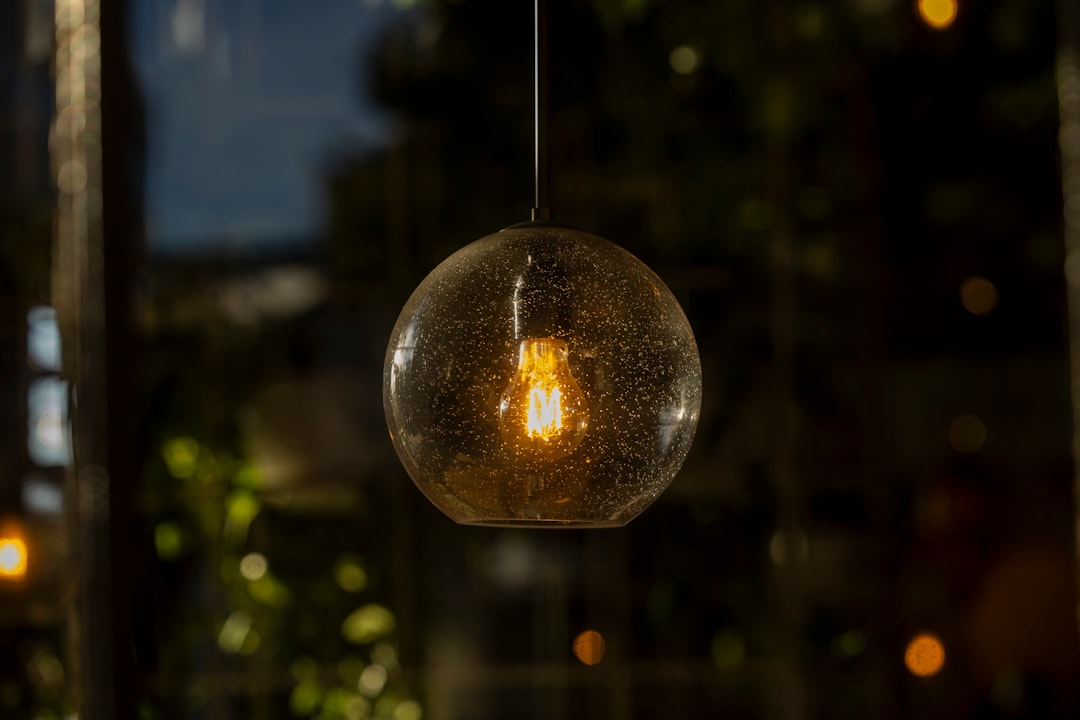
Seeded glass incorporates tiny air bubbles, often referred to as “seeds,” within the glass matrix. These bubbles catch and refract light, adding subtle sparkle and visual interest to the fixture. This effect can evoke a sense of vintage charm or artisanal quality, as the bubbles are a natural occurrence during the glassmaking process. The distribution and size of these seeds can vary, contributing to the unique character of each piece.
Art glass encompasses a broad category of decorative glass, often featuring colors, textures, or inclusions that go beyond standard clear or frosted finishes. This can include hand-painted designs, embedded metallic flecks, or swirls of contrasting colors. Art glass elevates a lighting fixture from a mere illuminator to a statement piece, intended to be appreciated for its aesthetic merits as much as its functional purpose. The complexity and artistry involved in creating art glass can naturally influence its price point, but accessible options can still be found within the $250 budget.
Common Design Styles and Their Appeal
Designer glass lighting fixtures are available in a multitude of styles, each catering to different interior design preferences. Understanding these styles can help you curate a look that complements your existing décor or sets a new tone for a room. The aesthetic of the fixture is as important as its light output when it comes to creating a desired atmosphere.
Mid-Century Modern Influence
Mid-century modern design, prominent from the mid-1940s to the late 1960s, emphasizes clean lines, organic shapes, and a blend of function and form. In lighting, this often translates to fixtures with geometric forms, Sputnik-inspired designs, or simple, elegant globes. The use of materials like glass, often combined with brass or wood accents, is characteristic. These designs can inject a retro yet timeless feel into a space. The emphasis is on understated elegance and a connection to nature through fluid lines. The resurgence of mid-century modern aesthetics in contemporary interiors makes these lighting options highly relevant.
Contemporary and Minimalist Aesthetics
Contemporary lighting often features sleek lines, neutral color palettes, and a focus on simplicity. Minimalist design takes this further, stripping away ornamentation to focus on essential form and function. In glass lighting, this can mean clear or frosted cylindrical shades, simple geometric shapes, or fixtures with exposed bulbs highlighted by minimalist glass enclosures. The appeal lies in their ability to integrate seamlessly into modern décors without overwhelming the space. These designs often prioritize the interaction of light and shadow, creating subtle shifts in ambiance.
Industrial and Rustic Charm
The industrial style draws inspiration from factories and warehouses, often incorporating raw materials and utilitarian designs. In glass lighting, this can manifest as clear glass shades that display Edison-style bulbs, often encased in metal cages or suspended from exposed cords. Rustic charm, on the other hand, embraces natural materials and a sense of warmth. Here, you might find glass fixtures with textured finishes, seeded glass elements, or designs that mimic vintage lanterns. The combination of glass with materials like forged iron or distressed wood is common. These styles offer a sense of history and character.
Bohemian and Eclectic Touches
Bohemian (boho) and eclectic styles are characterized by a relaxed, unconventional approach to design, often mixing and matching various influences. In glass lighting, this can mean vibrant, colored glass, intricate patterned shades, or unique, artisanal-inspired pieces. Think hand-blown glass in jewel tones, Moroccan-inspired lanterns, or fixtures with mosaic glass elements. These lighting choices serve as focal points, adding personality and a sense of artistry to a room. The freedom to blend styles means glass lighting can be a vehicle for personal expression.
Key Considerations for Purchasing Designer Glass Lighting
Beyond aesthetics, several practical factors should guide your selection of designer glass lighting. Ensuring the fixture meets your functional needs and fits your space is as important as its visual appeal. A well-chosen light can act as a conductor of ambiance, shaping a room’s mood.
Size and Scale Appropriateness
The dimensions of a lighting fixture must be proportionate to the room it will inhabit. An oversized chandelier in a small room can feel overwhelming, while a diminutive pendant in a large space can appear lost. Consider the ceiling height, the overall square footage of the room, and the function of the space. For example, task lighting over a kitchen island may require smaller, more focused pendants, whereas ambient lighting in a living room might accommodate a larger fixture. Measuring the space and visualizing the fixture’s intended placement is a crucial step.
Light Source and Brightness (Lumens)
The type of bulb and its lumen output will determine the brightness and color temperature of the light. For ambient lighting, a softer, warmer glow (around 2700K) is often preferred. For task lighting, a brighter, cooler light (4000K or higher) may be more suitable. Many modern glass fixtures are designed to accommodate LED bulbs, which are energy-efficient and long-lasting. Always check the fixture’s specifications for compatible bulb types and maximum wattage. The lumen count, rather than wattage, is the true indicator of brightness.
Installation and Electrical Requirements
Before purchasing, assess the existing electrical setup in the intended location. Is there a ceiling box for a pendant or chandelier? Is there a wall switch or dimmer capability? Some fixtures may require professional installation, especially if rewiring is necessary. If you are comfortable with basic DIY electrical work, simpler fixtures like plug-in sconces might be an option. Always consult an electrician if you have any doubts about electrical safety or compatibility. Understanding these requirements beforehand can prevent unexpected complications and costs.
Durability and Maintenance
Glass, while beautiful, can be fragile. Consider the intended use of the space. In high-traffic areas or rooms where children or pets are present, a more robust glass or a design that protects the glass elements might be prudent. For fixtures exposed to grease, such as over a kitchen stove, consider the ease of cleaning the glass. Some finishes may require specific cleaning agents. Reading product reviews can offer insights into the long-term durability and ease of maintenance for particular models.
Finding Value: Where to Shop and What to Look For
Discovering stylish designer glass lighting under $250 requires a strategic approach to shopping. By knowing where to look and what qualities to prioritize, you can find exceptional pieces that offer both style and value. Think of this as a treasure hunt, where patience and informed choices lead to the prize.
Online Retailers and Discount Channels
Numerous online retailers specialize in home décor and lighting. Websites like Amazon, Wayfair, Overstock, and Houzz offer extensive selections from various brands and designers, often with competitive pricing and frequent sales. Filtering by price range is an essential first step. Keep an eye out for discount codes, seasonal sales, and clearance sections. For those willing to explore less mainstream options, sites like Etsy can also yield unique, handcrafted glass lighting from independent artisans, though pricing can vary significantly.
Brand Overstock and Outlet Stores
Some established lighting brands have outlet stores or offer overstock items directly through their websites. These can be excellent sources for designer pieces at reduced prices. While selection may be limited at any given time, periodically checking these channels can lead to significant savings. Occasionally, larger home improvement stores or department stores may have their own in-house designer lines or carry overstock from prominent brands.
Second-Hand and Vintage Markets
Exploring antique shops, flea markets, and online second-hand marketplaces like eBay or Facebook Marketplace can uncover hidden gems. Vintage glass lighting, in particular, often possesses unique craftsmanship and character that is hard to replicate. While these pieces may require some cleaning or minor restoration, their original quality can be exceptional. Inspecting these items thoroughly for damage, such as cracks or chips, is paramount. Understanding the original retail price or recognizing a designer’s signature style can help you assess the value proposition.
Identifying Quality within the Budget
When seeking value, focus on the quality of the glass itself and the integrity of the fixture’s construction. Look for even diffusion of light in frosted or seeded glass, and clean, well-finished edges on clear glass. For blown glass, examine for consistency in thickness and form, unless intentional irregularity is part of the design. Check that the metal components are securely attached and finished well. Avoid fixtures with flimsy materials or obvious defects. The best value lies in a piece that looks and feels well-made, regardless of its price tag.
Case Studies: Examples of Accessible Designer Glass Lighting
To illustrate the possibilities, consider hypothetical examples of how stylish designer glass lighting can be acquired for under $250. These examples are representative of common offerings and highlight the variety available.
The “Artisan Globe” Pendant
Imagine a clear, hand-blown glass pendant light with subtle, organic imperfections and a simple brushed nickel canopy. This fixture might measure 8-10 inches in diameter and be designed to hang over a kitchen island or dining nook. Its appeal lies in the unique character of the hand-blown glass, offering a touch of artisanal craftsmanship without the premium price. It would likely be compatible with an LED bulb, allowing for energy efficiency. Such a piece could be found from independent sellers on Etsy or through online retailers during promotional periods, typically retailing between $120 and $180.
The “Geometric Frosted” Flush Mount
Consider a contemporary flush mount ceiling light featuring a square or circular frosted glass diffuser. The frosted glass would provide soft, even illumination, ideal for bedrooms, hallways, or smaller living areas. The frame might be in a matte black or polished chrome finish, keeping the design clean and minimalist. This type of fixture prioritizes functional, diffused light with a modern aesthetic. Many mass-market retailers and online home décor stores offer such options within the $80 to $150 range, often utilizing energy-efficient integrated LED technology.
The “Industrial Seeded” Wall Sconce
Envision a wall sconce with a small, clear seeded glass shade, reminiscent of vintage factory lighting. The seeded glass would create gentle light patterns, and the shade might be accented with a vintage-inspired oil-rubbed bronze or matte black metal arm. This sconce would be suitable for a hallway, entryway, or beside a bedside. The seeded glass adds visual texture, while the industrial design offers character. Similar sconces, often sold individually, can be found from $70 to $130, making them an accessible way to introduce this style.
The “Colored Glass Accent” Table Lamp
Picture a small table lamp with a vibrant blue or amber colored glass base, perhaps with a subtle textured finish. Topped with a simple linen drum shade, this lamp would act as a colorful accent piece as well as a light source. The colored glass base would cast a gentle hue into the surrounding area, adding a layer of ambiance. These lamps are commonly found in home décor stores and online marketplaces, with prices ranging from $60 to $120, depending on the size and complexity of the glass design.
The availability of designer glass lighting under $250 demonstrates that stylish and functional illumination is achievable for a wide range of budgets. By understanding the materials, styles, and purchasing strategies discussed, consumers can confidently select fixtures that enhance their living spaces. The interplay of light and sculpted glass offers a sophisticated solution to both illumination needs and aesthetic aspirations.