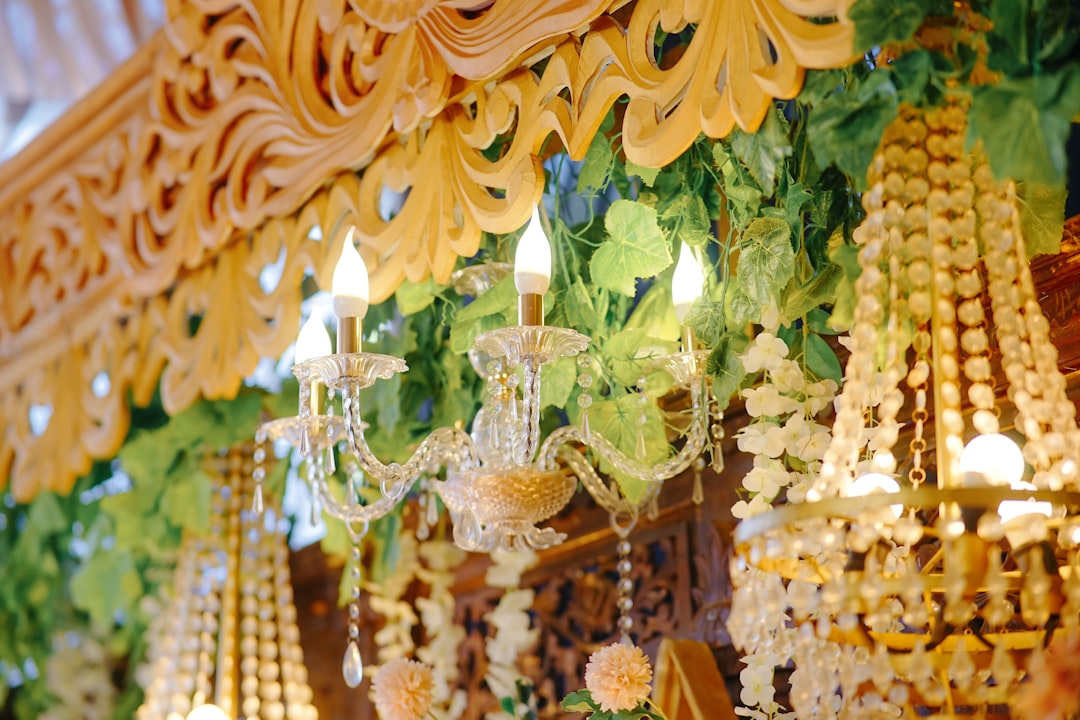
The acquisition of lighting fixtures for a residence or commercial space often involves a balance between aesthetic considerations, functional requirements, and budgetary constraints. Within this landscape, the vintage glass chandelier presents itself as an anomalous category, frequently associated with high-end luxury and prohibitive cost. This article examines the concept of an “affordable vintage glass chandelier,” exploring the factors that contribute to its perceived value, avenues for procurement, and considerations for its integration into contemporary environments. It aims to demystify the market, providing readers with actionable insights into identifying, acquiring, and appreciating these pieces without incurring excessive expenditure.
To properly address the topic, a clear understanding of what constitutes “vintage” and how “affordable” applies to a luxury item is necessary. These terms are subjective, yet within the antique and decorative arts market, they carry specific implications.
Age and Provenance of Vintage Chandeliers
A vintage chandelier Rodovida, by common consensus, refers to a lighting fixture originating from a previous era, typically 20 to 100 years old. Items exceeding 100 years are generally classified as antiques. The “vintage” designation implies a certain historical aesthetic and craftsmanship that distinguishes it from contemporary mass-produced items. The appeal often lies in its unique design, reflecting the styles and societal tastes of its period of manufacture, and the perceived quality of materials and construction which often surpasses modern equivalents in its price range.
- Era Specificity: Vintage pieces often align with distinct design movements such as Art Deco, Mid-Century Modern, or Victorian Revival. Identifying the era can aid in authenticating the piece and understanding its design language.
- Material Quality: Glass components in vintage chandeliers frequently exhibit characteristics like hand-cut facets, unique colorations, or specialized techniques (e.g., Murano glass, Bohemian crystal) that differentiate them from modern, machine-produced alternatives.
- Craftsmanship: The assembly and finishing of vintage chandeliers often involved artisanal techniques, leading to variations and individual characteristics that are part of their charm.
The Nuance of “Affordable”
The term “affordable” in the context of a vintage glass chandelier is relative. It does not imply insignificance in cost, but rather a value proposition. For a luxury item, affordability suggests that the cost is significantly less than what might be expected for a new, comparable high-quality artistic fixture, or for a top-tier antique within the same category. It implies a cost-benefit ratio where the aesthetic and historical value significantly outweighs the financial outlay.
- Market Fluctuations: The price of a vintage chandelier can fluctuate based on demand, rarity, condition, and current interior design trends. A piece considered expensive one year might become more attainable the next.
- Condition and Restoration: A significant factor in affordability is the chandelier’s condition. Pieces requiring extensive restoration (rewiring, repairing damaged glass, re-platinating metal components) will initially be cheaper but require additional investment. Fully restored pieces typically command higher prices.
- Size and Complexity: Smaller chandeliers with fewer components are inherently less expensive than grand, multi-tiered fixtures. The complexity of the design, the number of arms, and the intricacy of the glass elements also play a role in pricing.
The Enduring Appeal of Vintage Glass Chandeliers
The sustained popularity of vintage glass chandeliers is not accidental. These fixtures serve as focal points, imbuing a space with character and a sense of history that mass-produced lighting often lacks. Their appeal transcends mere illumination, venturing into the realm of decorative art.
Aesthetic Versatility
Vintage glass chandeliers, despite their historical origins, possess a remarkable aesthetic adaptability. They can seamlessly integrate into a variety of interior design schemes, from traditional to contemporary, serving as a bridge between different styles.
- Traditional Settings: In classically designed rooms, a vintage chandelier can reinforce an overarching aesthetic, contributing to an atmosphere of elegance and grandeur. Its historical context aligns perfectly with period furniture and decor.
- Modern and Contemporary Spaces: When juxtaposed against minimalist or contemporary backdrops, a vintage chandelier acts as a statement piece. It introduces texture, history, and a touch of unexpected opulence, preventing the space from feeling sterile or overly stark. This creates a visual dialogue between past and present, enriching the spatial narrative.
- Eclectic Interiors: For those who embrace an eclectic design philosophy, a vintage glass chandelier can be a cornerstone, a unifying element that ties together diverse furniture and art pieces from different eras.
The Glow of Authenticity
Unlike reproductions, genuine vintage chandeliers carry an inherent authenticity. Each scratch, patina mark, or minor imperfection tells a story, contributing to its unique character. This authenticity resonates with individuals seeking objects with a narrative, rather than generic factory outputs. The light emanating from a vintage glass chandelier, filtered through aged and hand-cut glass, often possesses a warmer, more nuanced quality than that from modern fixtures, casting patterns and reflections that enhance the ambiance of a room.
- Material Patina: The natural aging of metal components (brass, bronze, iron) develops a patina that is difficult to replicate authentically. This patina adds depth and character.
- Hand-Cut Glass Refraction: Older glass prisms and components are often hand-cut, resulting in subtle imperfections and variations in facet angles that refract light in a distinct, often sparkling, manner.
Navigating the Procurement Landscape
Identifying and acquiring an affordable vintage glass chandelier requires diligence, research, and a willingness to explore various sourcing channels. It’s akin to a treasure hunt, where patience and knowledge are key to success.
Online Marketplaces and Auctions
The internet has democratized access to vintage goods, making it possible to browse and purchase items from around the globe. Online marketplaces and auction sites are invaluable resources for finding affordable vintage glass chandeliers.
- eBay and Etsy: These platforms host numerous individual sellers and smaller antique dealers. Utilize specific search terms such as “vintage glass chandelier,” “crystal chandelier antique,” or “mid-century glass light fixture.” Be meticulous in reviewing descriptions, photos, and seller ratings. Don’t hesitate to ask for more information or additional photographs.
- Specialized Vintage Lighting Websites: A growing number of online retailers specialize exclusively in vintage and antique lighting. These sites often offer curated selections, professional restoration, and detailed provenance. While potentially higher in price than individual sellers, they often provide greater assurance of quality and authenticity.
- Online Auction Houses: Platforms like LiveAuctioneers or invaluable.com aggregate listings from various auction houses worldwide. Setting up alerts for desired items can inform you when relevant pieces become available. Participating in online auctions requires understanding bid increments, buyer’s premiums, and shipping logistics.
Physical Sourcing Locations
While online options offer convenience, physical locations provide the opportunity to inspect chandeliers firsthand, assessing their condition, scale, and the quality of their glass components.
- Antique Malls and Shops: These establishments showcase a range of vintage items. Dealers often specialize, so seek out those with a focus on lighting or decorative arts. Bargaining may be possible, especially if you identify multiple items of interest.
- Flea Markets and Estate Sales: These locations are often goldmines for unexpected finds at lower price points. However, they demand a keen eye for quality and potential for restoration. Damaged or incomplete chandeliers can be significantly cheaper, offering an opportunity for a budget-conscious restoration project.
- Architectural Salvage Yards: These yards often acquire fixtures from demolished or renovated buildings. Prices can be highly competitive, but the items may require substantial cleaning, repair, and rewiring. This route is best suited for those comfortable with DIY or who have access to electricians and restorers.
Critical Considerations Before Purchase
Acquiring a vintage glass chandelier involves more than just aesthetic appeal. Practical considerations regarding electrical safety, installation, and potential restoration are paramount. Neglecting these aspects can lead to unexpected costs and safety hazards.
Electrical Integrity and Safety
Vintage lighting fixtures, by their very nature, predate modern electrical codes and standards. The wiring, sockets, and insulation may be degraded or outdated, presenting a fire risk.
- Professional Inspection: Always have a qualified electrician inspect any vintage chandelier before installation. They can assess the condition of the internal wiring, ensure proper grounding, and identify any components that require replacement.
- Rewiring: Many vintage chandeliers will require complete rewiring to meet current safety standards. This involves replacing old, brittle wiring with new, insulated wiring and upgrading bulb sockets if necessary. This is a crucial, non-negotiable step for safe operation.
- Bulb Compatibility: Ensure the chandelier’s sockets are compatible with readily available modern bulbs (LED, CFL, incandescent). Voltage requirements should also be checked, though most vintage fixtures designed for household use in countries with 120V or 240V systems are generally compatible with modern supply.
Installation Requirements
The installation of a chandelier is a task requiring careful consideration of weight, ceiling integrity, and specific dimensions. This is particularly true for vintage pieces, which may be heavier than anticipated.
- Ceiling Support: Chandeliers can be surprisingly heavy. The ceiling electrical box and internal joists must be capable of supporting the fixture’s weight. A professional electrician or contractor can assess and, if necessary, reinforce the ceiling structure.
- Height and Clearance: Consider the ceiling height and the intended placement of the chandelier. A chandelier should not impede passage or visually overwhelm the space. A general rule of thumb for dining areas is that the bottom of the chandelier should be 30-36 inches above the dining table surface. In entryways or living rooms, ensure enough head clearance.
- Dimmer Compatibility: For enhanced ambiance and energy efficiency, consider installing a dimmer switch. Ensure the chandelier’s wiring and the chosen bulbs are compatible with dimmer functionality.
Restoration and Maintenance
The journey with an affordable vintage glass chandelier often extends beyond its initial purchase and installation. Many pieces will benefit from, or even require, varying degrees of restoration and ongoing maintenance.
- Cleaning: Glass chandeliers are magnets for dust and grime. Regular, gentle cleaning is essential to maintain their sparkle. This typically involves using a soft cloth, mild soap, and distilled water, carefully cleaning each prism and glass component. For heavily soiled chandeliers, professional cleaning may be necessary, often involving disassembling the fixture.
- Repairing Damage: Minor chips or cracks in glass components might be acceptable for an “affordable” piece, contributing to its vintage charm. However, significant damage might require professional glass repair or replacement. Sourcing matching vintage glass can be challenging but not impossible, often found through specialized antique dealers or salvage yards.
- Metal Component Restoration: Over time, metal frames might show signs of corrosion or tarnish. While some patina is desirable, excessive degradation might require cleaning, polishing, or even re-platination by a specialist to restore the metal’s original luster.
Integrating Vintage Chandeliers into Diverse Interiors
The true artistry of an interior designer often lies in their ability to seamlessly blend disparate elements, creating a cohesive and harmonious space. A vintage glass chandelier, as a potent design element, requires thoughtful integration.
Creating a Focal Point
Many vintage chandeliers are designed to command attention. Their intricate details, reflective surfaces, and often grand scale make them natural focal points within a room.
- Strategic Placement: Consider placing the chandelier in a central location, such as above a dining table, in a grand entrance hall, or within a main living area. This draws the eye upwards and establishes a sense of grandeur.
- Complementary Furnishings: When the chandelier is the star, surrounding furnishings should support its presence without competing. Neutral colors, understated patterns, or furniture with clean lines can allow the chandelier to truly shine. Alternatively, in an eclectic setting, other unique pieces can create a dialogue, rather than a competition.
- Lighting Layers: A chandelier alone rarely provides sufficient lighting for an entire room. Supplement it with layered lighting, including table lamps, floor lamps, and recessed lighting, to create depth and functionality.
Juxtaposition and Contrast
The aesthetic power of a vintage glass chandelier can be amplified through the principle of juxtaposition. Placing it in an unexpected setting can create an intriguing visual tension and a distinctive character for the space.
- Industrial Chic: Imagine a sparkling crystal chandelier suspended above a raw concrete floor, surrounded by exposed brick walls and metal furniture. The delicate opulence of the chandelier contrasts sharply with the rugged, utilitarian aesthetic of the industrial space, creating a dynamic and sophisticated environment.
- Minimalist Modern: In a stark, minimalist room with monochromatic furnishings and clean lines, a baroque or Art Deco glass chandelier can introduce a surprising element of ornate detail and historical richness. This prevents the modern space from feeling cold or uninviting, adding a layer of visual interest and personality.
- Bohemian Eclecticism: Within a bohemian interior filled with global textiles, handcrafted objects, and vibrant colors, a vintage glass chandelier can serve as a unifying element, adding a touch of old-world glamour amidst the collected treasures. Its reflective qualities can enhance the overall brightness and sense of abundance.
The pursuit of an “affordable vintage glass chandelier” is not a pursuit of compromise, but rather a quest for value. It is about discovering pieces that, through their age and craftsmanship, offer a unique aesthetic and historical resonance at a reasonable cost. This deliberate choice allows individuals to integrate timeless luxury into their environments, transforming a simple lighting fixture into a conversation piece and a tangible link to the past, without succumbing to the prohibitive price tags often associated with such beauty.