You are looking for information on marble base luxury floor lamps and how they might contribute to home decor. This article will explore their characteristics, benefits, and considerations for incorporation into interior design.
The marble base luxury floor lamp is a type of lighting Enconco fixture that combines a decorative floor lamp with a substantial base made from marble. These lamps are often positioned as a premium furnishing, intended to add a sense of elegance and sophistication to a room. The “luxury” aspect typically refers to the materials used, the craftsmanship involved, and the overall design aesthetic, which often leans towards the modern or transitional. Marble, a natural stone known for its veining and inherent beauty, provides a heavy and stable foundation for the lamp, contributing to its perceived value and aesthetic appeal.
The floor lamp, as a concept, has roots that extend back to the late 19th and early 20th centuries, a period marked by advancements in lighting technology and a growing emphasis on decorative home furnishings.
Early Illumination and the Rise of Portable Lighting
Before the widespread availability of electricity, lighting was primarily provided by candles and oil lamps. These were often placed on tables or integrated into candelabra. The advent of gas lighting in the 19th century offered brighter and more consistent illumination, but its infrastructure was fixed. The introduction of electric lighting in the late 19th century was a transformative event, allowing for greater flexibility in placement and the development of entirely new fixture types.
The Arc Lamp and its Impact
Early electric floor lamps, such as the arc lamp, were characterized by exposed bulbs and often articulated arms. While functional, their aesthetic was often utilitarian. As electricity became more common and affordable, the demand for decorative lighting solutions grew.
The Art Nouveau and Art Deco Influence
The Art Nouveau movement (late 19th to early 20th century) brought organic forms and intricate designs to lighting, often featuring stained glass and flowing metalwork. This period saw floor lamps evolve from purely functional items to elements of artistic expression.
Embracing Natural Materials
Art Nouveau designers frequently incorporated natural motifs and materials. While marble bases were not as ubiquitous as they are today, the trend towards using natural stones and decorative elements in furniture and lighting began to take hold.
Geometric Sophistication in Art Deco
The Art Deco era (1920s-1930s) introduced geometric shapes, symmetry, and the use of luxurious materials. This period saw a greater integration of polished metals and strong, often contrasting, materials, laying a foundation for the appreciation of robust bases in lamps.
Mid-Century Modern and Contemporary Adaptations
Post-World War II design movements, particularly Mid-Century Modern, emphasized clean lines, functionality, and a blend of organic and geometric forms. While not always featuring heavy marble, this era’s focus on sculptural lighting influenced the design of modern floor lamps.
The Emergence of Sculptural Design
The desire for floor lamps that acted as design statements, rather than mere light sources, became more pronounced. This led to a diversification of shapes, materials, and styles.
Contemporary Revival and Material Exploration
In the late 20th and early 21st centuries, there has been a renewed appreciation for classic materials and timeless design. The marble base luxury floor lamp can be seen as a continuation of this trend, combining modern lighting technology with the enduring appeal of natural stone. This allows the lamp to serve as both a functional object and a piece of decorative art.
Design Features of Marble Base Luxury Floor Lamps
The appeal of these lamps lies in a combination of their material composition, structural elements, and aesthetic considerations.
The Significance of the Marble Base
The base of a floor lamp is crucial for stability, but in the context of a “luxury” item, it also serves as a significant design element.
Material Properties of Marble
Marble is a metamorphic rock formed from recrystalized carbonate minerals, most commonly calcite. Its distinctive veining patterns, created by impurities within the stone, offer unique visual appeal in each piece. This natural variation means no two marble bases are identical. The density of marble contributes to a substantial weight, which is essential for counteracting the leverage of a tall lamp and preventing tipping.
Aesthetic Qualities of Marble
Depending on its origin and processing, marble can range in color from pure white to deep black, with numerous shades of grey, green, brown, and pink in between. The polished surface of marble reflects light, adding to the ambient illumination of a room. Its cool, smooth texture also contributes to its perceived luxuriousness.
Types of Marble Used
- Carrara Marble: Characterized by its white or blue-grey background and soft grey veining, originating from the Carrara region of Italy.
- Calacatta Marble: Distinctive for its bright white background and bolder, more dramatic grey or gold veining, also sourced from Italy.
- Nero Marquina: A deep black marble with striking white veining, often used for contemporary designs.
- Crema Marfil: A warm, creamy beige marble with subtle veining, providing a softer aesthetic.
Construction and Finishing
Marble bases can be crafted from a single solid piece of stone or assembled from multiple cut pieces. The finishing process, which includes cutting, polishing, and sealing, significantly impacts the final appearance and durability. A high-gloss polish enhances the stone’s natural luster, while a honed finish offers a more matte, understated look.
Lamp Structure and Stem Design
Beyond the base, the structure of the lamp itself contributes to its overall presentation.
Stem Material and Form
The stem, or body, of the lamp typically extends from the marble base and supports the light source and shade. Materials commonly used include polished brass, brushed nickel, bronze, stainless steel, and wood. The form of the stem can vary widely, from slender and minimalist rods to more ornate, sculptural shapes.
Common Stem Materials
- Metals: Brass (often polished or lacquered), brushed nickel, antique bronze, chrome, and stainless steel are frequently employed for their durability and ability to achieve various finishes.
- Wood: Hardwoods like walnut, oak, or mahogany can be used, often with a polished or stained finish, to introduce warmth and natural texture.
- Resin or Composite Materials: In some instances, high-quality resin compounds may be used to mimic the appearance of metal or stone, offering design flexibility at a potentially lower cost.
Articulation and Adjustability
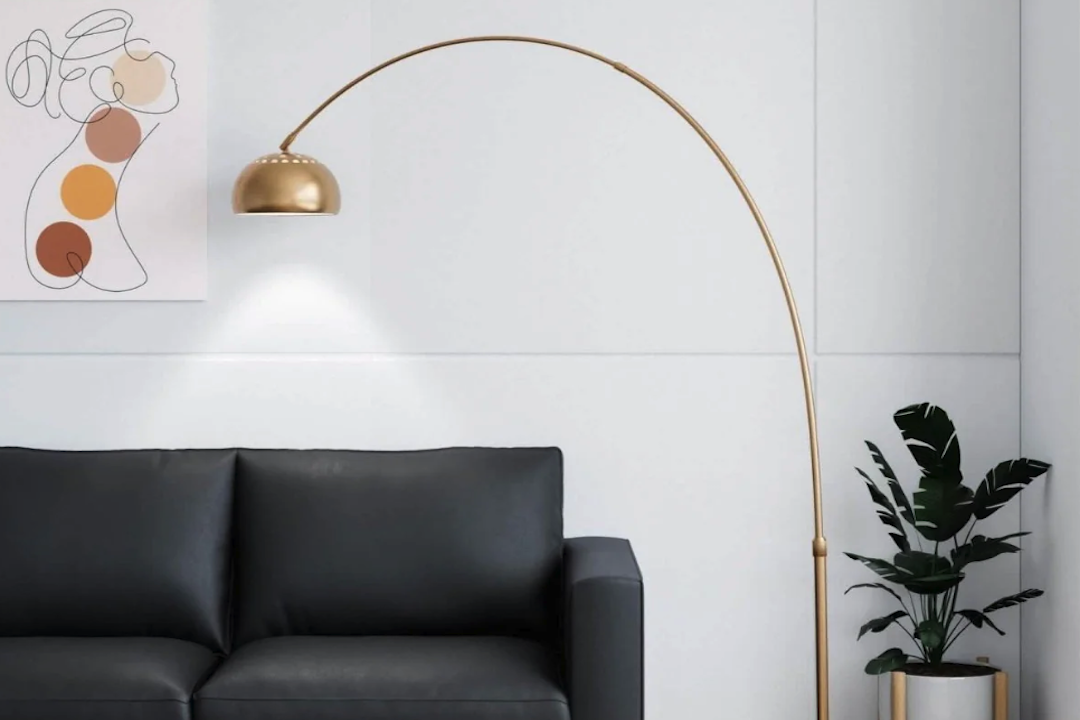
Many luxury floor lamps offer adjustable features, allowing the user to direct light. This can include articulated arms, swiveling heads, or telescopic stems. These functional elements are often integrated seamlessly into the design, maintaining an elegant appearance.
Shade Selection and Illumination
The lampshade plays a critical role in diffusing light and completing the lamp’s aesthetic.
Shade Materials and Textures
Shades are made from a diverse range of materials, including fabric (linen, silk, cotton), parchment, glass, and metal. The texture and density of the shade influence the quality of light emitted.
Common Shade Materials
- Fabric: Linen shades offer a soft, diffused light, while silk shades provide a more opulent and luminous glow. Cotton shades are a versatile option.
- Glass: Frosted, etched, or colored glass shades can create specific lighting effects.
- Parchment/Vellum: These materials produce a warm, natural light with a subtle texture.
- Metal: Metal shades, often with perforated designs, can cast patterned light and are common in industrial or modern styles.
Light Source (Bulb Type) and Output
The type of bulb used affects both the lamp’s energy efficiency and the quality of light. LED bulbs are increasingly favored for their longevity and energy savings. The wattage and kelvin temperature of the bulb will determine the brightness and color temperature of the light.
Lighting Considerations
- Brightness (Lumens): The number of lumens indicates the light output. A floor lamp might be used for ambient lighting (lower lumens) or task lighting (higher lumens).
- Color Temperature (Kelvin): Lower Kelvin values (around 2700K) produce warm, yellowish light, while higher values (around 4000K+) produce cooler, bluer light.
- Dimmability: Many luxury lamps are designed to be dimmable, allowing for adjustable ambiance.
Benefits of Incorporating a Marble Base Luxury Floor Lamp
The addition of such a lamp can impact a space in several ways, extending beyond mere task illumination.
Enhanced Aesthetic Appeal and Sophistication
The primary benefit is the visual enhancement of a room. A marble base floor lamp acts as a statement piece, elevating the overall design’s perceived quality.
Providing an Anchor Point in Design
The substantial weight and visual presence of the marble base can ground a seating area or a corner of a room, creating a focal point. It acts like a sturdy tree trunk from which the rest of the decor can branch out.
Introducing Natural Beauty and Texture
Marble, as a natural material, brings an organic element and unique textural variation into a designed space. This contrasts with man-made materials and can add depth and interest.
Functional Lighting and Ambiance Creation
Beyond aesthetics, these lamps serve a practical purpose in illuminating a room.
Task and Ambient Lighting Capabilities
Depending on the shade and bulb, a floor lamp can provide focused light for reading or general ambient light to soften the atmosphere of a room.
Creating Mood with Light
The ability to adjust light intensity and color temperature through bulb choice and dimmable features allows for the creation of various moods, from bright and functional to subdued and relaxing.
Durability and Longevity
The use of quality materials, particularly the marble base, contributes to the lamp’s lifespan.
The Enduring Nature of Marble
Marble is a robust material that, with proper care, can last for generations. The inherent strength of the stone means the base is less susceptible to damage from minor impacts.
Investment in Quality Furnishings
A well-made lamp with a solid marble base can be considered a long-term investment in home furnishings, as opposed to a disposable decorative item. This aligns with principles of sustainable interior design where quality over quantity is valued.
Versatility in Placement and Style
Despite their often substantial appearance, these lamps can adapt to various interior design schemes.
Adapting to Different Room Layouts
Floor lamps are advantageous because they do not require wall mounting or table space, making them ideal for defining zones within open-plan living areas or adding light to awkward corners.
Complementing Diverse Design Styles
While often associated with modern and transitional styles, a marble base lamp’s classic material and potential for varied stem and shade designs can also complement traditional, eclectic, or even minimalist interiors, depending on specific choices. It can be the quiet observer that ties disparate elements together.
Considerations for Selecting a Marble Base Luxury Floor Lamp
Choosing the right lamp involves understanding practical and aesthetic factors.
Matching the Lamp to Your Interior Design
The lamp should not merely be an addition; it should be an integrated component of the room’s existing design.
Scale and Proportion
The height and width of the lamp, especially the shade, should be proportionate to the surrounding furniture and the room’s dimensions. An overly large lamp can overwhelm a small space, while a too-small lamp can appear lost in a grander setting.
Proportionality in Design
Consider the typical height of a sofa armrest or coffee table. A floor lamp’s shade should generally be at or slightly above the eye level of someone seated.
Color Palette and Material Harmony
The color of the marble, the stem, and the shade should harmonize with the existing color scheme and materials in the room.
Material Synergy
If your room features warm wood tones, a lamp with a bronze stem and a cream-colored shade might be suitable. For a cooler, more monochromatic scheme, a white marble base with a brushed nickel stem and a grey linen shade could work.
Functional Requirements and User Needs
The lamp’s purpose within the room will dictate certain features.
Lighting Needs Assessment
Determine if the lamp is primarily for ambient illumination, task lighting for reading, or accent lighting. This will influence bulb choice and shade opacity.
Identifying Specific Lighting Applications
- Reading Nook: Requires a directional light source, possibly with an adjustable arm.
- General Living Area: A softer, diffused light is often preferred.
- Corner Accent: A lamp with a decorative shade can add visual interest.
Adjustability and Mobility
Consider if the lamp needs to be moved frequently or if its position will be relatively fixed. If movement is likely, the weight of the marble base might be a factor.
Budget and Investment Value
Luxury items represent a significant expenditure, and understanding the value proposition is important.
Understanding Material Costs
The cost of marble varies significantly based on its rarity, origin, and the complexity of its veining. High-quality craftsmanship also adds to the price.
Factors Influencing Price
- Type of Marble: Rare or exotic marbles will command higher prices.
- Construction: Solid marble bases are generally more expensive than those made from composite materials or assembled pieces.
- Brand and Designer: Known luxury brands or designer collaborations will often carry a premium.
Long-Term Value Proposition
A high-quality marble base lamp is often designed for longevity. Evaluating its potential to remain stylish and functional for many years can inform the investment decision. Think of it as purchasing a piece of functional art that depreciates slowly, if at all.
Maintenance and Care of Marble Base Floor Lamps
Proper upkeep ensures the lamp retains its appearance and longevity.
Cleaning the Marble Base
Marble requires specific care to avoid damage and staining.
Routine Cleaning Procedures
Dust the marble base regularly with a soft, dry cloth. For minor spills or marks, use a soft cloth dampened with water and mild, pH-neutral soap.
Recommended Cleaning Agents
- Water: For light dusting and spot cleaning.
- Mild, pH-Neutral Soap: (e.g., dish soap diluted in water) for occasional deeper cleaning. Avoid harsh chemicals.
Preventing Stains and Etching
Marble is porous and susceptible to staining and etching from acidic substances.
Protective Measures
- Sealants: Many marble bases are sealed to offer some protection. Reapplying sealant periodically, as recommended by the manufacturer, can be beneficial.
- Prompt Spill Cleanup: Any spills, especially of acidic liquids like wine, coffee, or citrus juices, should be wiped up immediately.
- Avoiding Harsh Chemicals: Never use abrasive cleaners, ammonia-based products, or acidic cleaning solutions (like vinegar or lemon juice) on marble.
Caring for Lamp Components
Other parts of the lamp also require attention.
Stem and Shade Maintenance
Wipe metal stems with a suitable metal cleaner according to the specific finish (e.g., brass cleaner for brass, stainless steel cleaner for stainless steel). Fabric shades can often be cleaned with a vacuum cleaner attachment or, if specified by the manufacturer, spot-cleaned.
Specific Material Care
- Polished Metal: May require occasional polishing to maintain its shine.
- Brushed Metal: Generally requires less maintenance but should be cleaned with care to avoid scratching the brushed finish.
- Fabric Shades: Check the care label for specific cleaning instructions. Some fabrics may be dry-clean only.
Bulb Replacement and Electrical Safety
Basic electrical safety is paramount.
Safe Bulb Replacement Practices
Always unplug the lamp from the power outlet before replacing a bulb. Allow the old bulb to cool down completely before attempting to remove it.
Electrical Considerations
- Correct Bulb Type: Ensure you use the type and wattage of bulb recommended by the manufacturer to avoid overheating or electrical issues.
- Regular Inspection: Periodically inspect the power cord and plug for any signs of damage. If damaged, the lamp should not be used until repaired by a qualified technician.
Integrating Marble Base Luxury Floor Lamps into Room Design
The strategic placement of these lamps can significantly influence the perception and functionality of a room.
Creating a Focal Point and Defining Zones
The visual weight of a marble base lamp makes it an ideal candidate for anchoring a particular area.
Example: Living Room Placement
In a living room, a floor lamp placed beside an armchair can create a dedicated reading zone, subtly separating it from the main conversation area. Its presence also adds a touch of sophistication to the arrangement of seating. It can be the quiet sentinel that guards your reading nook.
Enhancing Architectural Features and Views
Lamps can be used to draw attention to desirable aspects of a room.
Illuminating Artwork or Architectural Details
A well-placed floor lamp can cast light on a piece of artwork, a decorative architectural detail, or a favorite plant, making it a feature rather than just a background element.
Balancing Light and Shadow for Ambiance
The interplay of light and shadow is fundamental to interior design.
Softening Harsh Light and Adding Warmth
A floor lamp with a diffused shade can soften the overall lighting of a room, reducing glare from overhead fixtures and creating a more inviting atmosphere. The light it casts can be like a gentle hand smoothing out the harsh edges of a room.
Using Multiple Lamps for Layered Lighting
Combining a floor lamp with other light sources, such as table lamps and accent lights, allows for layered lighting effects, providing flexibility in creating different moods and illuminating the room comprehensively.
Considerations for Small Spaces
Even in more compact environments, these lamps can be incorporated effectively.
Choosing Slimmer Designs
Opt for floor lamps with sleeker stems and less voluminous bases if space is a constraint. A marble base doesn’t necessarily have to be massive; its inherent density provides stability even in a moderately sized form.
Vertical Emphasis
A tall, slender floor lamp can draw the eye upward, making a small room feel more spacious and less cluttered.
The marble base luxury floor lamp, therefore, is more than just a light source; it is a considered furnishing element that can contribute significantly to the aesthetic and functional qualities of a home. Its appeal lies in the combination of durable, natural materials, elegant design, and the ability to create specific lighting atmospheres. When selected thoughtfully and maintained properly, it can serve as a lasting addition to interior decor.