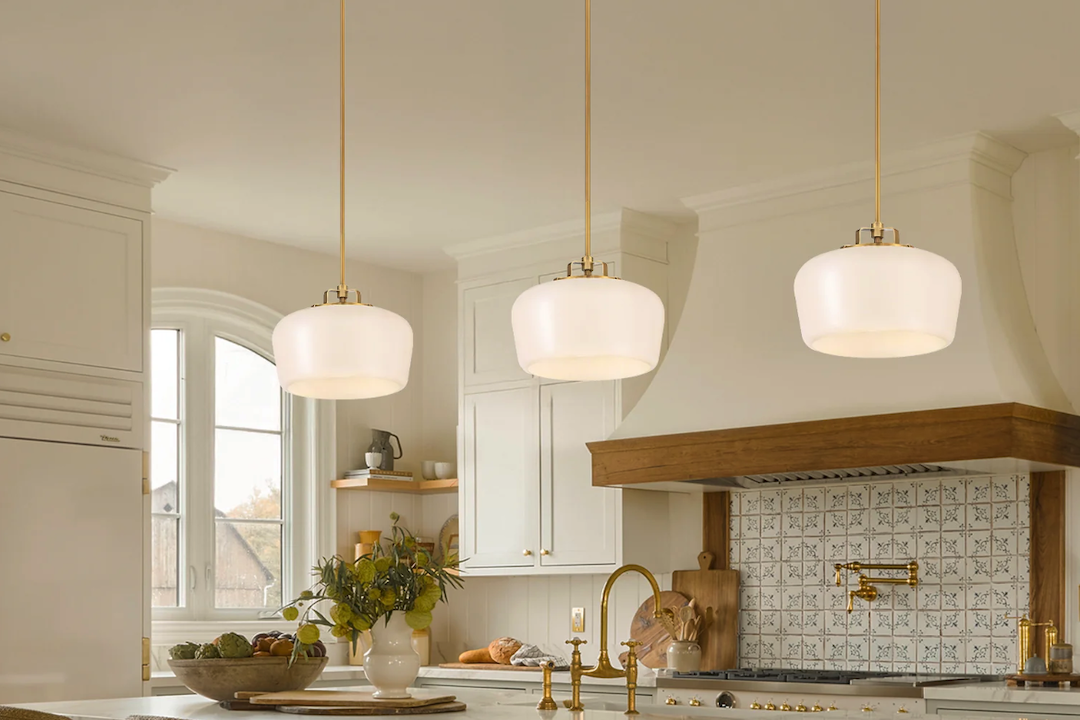
Dreaming of a kitchen that feels both inviting and functional, especially around your island? Frosted glass pendant lighting is a straightforward way to achieve a gentle, diffused glow that enhances the ambiance without overwhelming everything. It’s a practical choice for kitchen islands, offering effective task lighting while softening the overall feel of the space.
The Appeal of Frosted Glass
Ever notice how direct, clear light Lamolighting can sometimes feel harsh? Frosted glass steps in here, acting like a natural diffuser. It scatters the light as it passes through, creating a more even, comfortable illumination. For a kitchen island – a place often used for food prep, casual meals, and conversation – this kind of light is ideal. It illuminates what you’re doing without creating sharp shadows or glare, which can be a real headache, especially if you have highly reflective countertops.
Think of it as the difference between a spotlight and a soft, ambient lamp. While you need that directed light for certain tasks, particularly delicate knife work, the general ambiance of a kitchen benefits immensely from something softer. Frosted glass provides that balance. It’s not about making things dim; it’s about making them pleasant to look at and work under.
Design Versatility and Aesthetic Impact
One of the great aspects of frosted glass is its adaptability. It isn’t a one-trick pony when it comes to style. Whether your kitchen leans modern, traditional, industrial, or somewhere in between, you’ll likely find frosted glass pendants that fit the bill. The material itself is fairly neutral, allowing the shape and the fixture’s metalwork to define its specific aesthetic.
Shapes and Silhouettes
- Classic Spheres and Domes: These are timeless choices. A frosted spherical pendant can evoke a retro-modern vibe, while a dome shape offers a more focused, yet still diffused, light cone downwards. They are excellent for creating a sense of balance and usually work well in most kitchen styles.
- Cylindrical and Conical Designs: For a sleeker, more contemporary feel, cylindrical or conical frosted glass pendants are good options. These shapes often contribute to a more minimalist aesthetic and can look particularly striking in groupings of two or three over a longer island.
- Abstract Forms: If you want to make a statement, there are frosted glass pendants with more unusual, sculptural shapes. These can become focal points, adding an artistic touch to your kitchen. However, it’s essential to ensure they don’t overpower the space. The goal is to enhance, not dominate.
Metal Finishes and Their Influence
Beyond the glass itself, the metal components of the pendant light play a significant role in its overall look.
- Brushed Nickel or Chrome: These cool-toned metals are popular in modern and transitional kitchens. They provide a crisp, clean contrast to the frosted glass, reinforcing a contemporary aesthetic.
- Matte Black: A very current trend, matte black fixtures offer a bold, industrial, or modern farmhouse feel. They create a strong visual line against a lighter ceiling or wall and pair well with the subdued glow of frosted glass.
- Bronze or Copper: For a warmer, more traditional, or rustic look, bronze and copper finishes are excellent. They can add a touch of richness and depth, complementing natural wood tones or cream-colored cabinetry.
- Brass: Polished or brushed brass can bring a touch of elegance or a mid-century modern vibe. It’s a versatile finish that can look sophisticated or playful, depending on the pendant’s overall design.
The choice of metal finish allows you to tie the pendants into existing hardware, faucets, or other lighting fixtures in your kitchen, creating a cohesive design scheme.
Practical Considerations for Installation and Spacing
Installing pendant lighting isn’t just about picking attractive fixtures; it’s about ensuring they work functionally within your space. Proper placement and sizing are paramount for both aesthetics and utility.
Island Size and Number of Pendants
This is a common question, and there’s a relatively simple guideline:
- Shorter Islands (under 5 feet): One larger pendant or two smaller ones usually suffice. If opting for two, ensure they are adequately spaced to distribute light evenly.
- Medium Islands (5-7 feet): Two or three pendants are generally ideal. Three pendants can create a visually balanced line and offer comprehensive lighting across the island’s length.
- Longer Islands (over 7 feet): Three or even four pendants might be necessary to avoid dark spots and ensure sufficient illumination. Alternatively, a linear multi-light fixture with frosted glass elements could be an elegant solution.
A good rule of thumb is to measure your island’s length and divide it by the number of pendants plus one. This gives you roughly equal spacing between the pendants and from the ends of the island. For instance, a 6-foot island with three pendants: 6 feet / (3+1) = 1.5 feet. This would mean 1.5 feet from each end and 1.5 feet between each pendant.
Hanging Height
The height at which your pendants hang is critical for both comfort and functionality.
- Above the Countertop: As a general guideline, the bottom of the pendant light should be about 30 to 36 inches above the countertop. This height prevents people from bumping their heads, obstructs views minimally, and ensures that the light effectively illuminates the work surface without creating glare at eye level.
- Consider Ceiling Height: If you have exceptionally high ceilings, you might need to adjust the hanging height slightly. Don’t let the pendants get lost in the vastness; they should still feel connected to the island below. Conversely, in kitchens with lower ceilings, you might need to lean towards the higher end of the 30-36 inch range.
- Line of Sight: Stand at various points in your kitchen to visualize the pendants’ line of sight. They shouldn’t impede views across the kitchen or into adjacent living areas. This is particularly important if your kitchen island faces a seating area.
Electrical Requirements
Before purchasing, confirm your existing electrical setup.
- Junction Boxes: Do you have existing junction boxes in the ceiling above your island? If not, you’ll need an electrician to install them, which involves running new wiring and potentially patching drywall. This is not a DIY task unless you have significant electrical experience.
- Dimmer Switches: For ultimate flexibility, connect your pendant lights to a dimmer switch. This allows you to adjust the intensity of the light, perfect for switching from task lighting during meal prep to a softer, ambient glow for entertaining. Frosted glass diffuses light beautifully, and a dimmer allows you to truly harness that quality.
Bulb Choices and Lighting Quality
The “soft glow” we’re aiming for doesn’t just come from the frosted glass; the type of light bulb you choose plays a massive role. The glass diffuses what’s inside, and if what’s inside is harsh, the overall effect will still fall short of truly soft.
Color Temperature (Kelvin)
This is perhaps the most important consideration for achieving a warm, inviting feel. Color temperature is measured in Kelvin (K).
- Warm White (2700K – 3000K): This is the sweet spot for a soft, inviting kitchen glow. It mimics the warmth of incandescent bulbs and creates a cozy, comfortable atmosphere. It’s excellent for dining, socializing, and general ambiance. Most people find light in this range very appealing in a home setting.
- Natural White / Cool White (3500K – 4000K): While sometimes called “natural white,” this range can start to feel a bit too bright and less cozy for a kitchen island, especially if your primary goal is warmth. It’s often used for office lighting or areas where high visual clarity is prioritized. We want warmth, remember?
- Daylight (5000K+): This is generally too stark and blueish for a soft kitchen glow. It can make a space feel sterile rather than inviting. Avoid it for this application.
Lumen Output (Brightness)
Lumens indicate the brightness of a bulb. You need enough light to be functional, but not so much that it’s overwhelming.
- For Task Lighting: Aim for a comfortable level of illumination without glare. With frosted glass, the light is already diffused, meaning you might need slightly more lumens than you would with clear glass to achieve the same perceived brightness on the countertop.
- Dimmable Bulbs: Always opt for dimmable bulbs. This provides flexibility. You can crank up the brightness for intricate cooking tasks and dim them down for a relaxed evening atmosphere. It effectively gives you two lighting solutions in one.
Bulb Type
- LED Bulbs: These are generally the best choice for energy efficiency, longevity, and a wide range of color temperatures. Look for LEDs specifically labeled as “dimmable” to ensure compatibility with dimmer switches. Their instant-on characteristic is also a plus.
- Edison/Filament Bulbs (LED Versions): If you like the aesthetic of exposed filaments but still want the efficiency of LED, there are frosted LED filament bulbs available. These can add a stylistic element, particularly in more industrial or vintage-inspired fixtures, while still providing that diffused softness. Ensure the frost on the glass or the bulb itself is sufficient to prevent glare.
Layering Light for Optimal Ambiance
Relying solely on your island pendants for all your kitchen lighting needs is usually not the best approach. A well-lit kitchen employs various types of lighting, each with a specific purpose. This concept is called “layering light,” and it helps achieve functionality and ambiance.
General Ambient Lighting
This is the overall illumination of the room.
- Recessed Lighting (Pot Lights): These are common workhorses for general illumination. They provide broad, even light and are great for lighting pathways and ensuring the kitchen isn’t left in gloomy shadows.
- Flush Mount or Semi-Flush Mount Fixtures: If recessed lighting isn’t an option, a central ceiling fixture can provide adequate ambient light.
The goal here is to ensure the entire kitchen is adequately lit without being excessively bright. When combined with frosted glass pendants, the ambient light should support the softer glow without competing excessively.
Task Lighting
While frosted pendants provide good task lighting over the island, other areas of the kitchen also need it.
- Under-Cabinet Lighting: This illuminates countertops along the perimeter of your kitchen, where much of your prep work happens. LED strip lighting is a popular, unobtrusive choice. It eliminates shadows cast by upper cabinets, which can happen with only overhead ambient light.
- Pendant Lights (for other work zones): If you have a separate peninsula or a dedicated baking station, a small frosted pendant or a group of them might be beneficial there too.
Having dedicated task lighting means you don’t have to blast your ambient lights or island pendants to full brightness just to see what you’re doing, allowing you to maintain varied lighting levels throughout the space.
Accent Lighting
This type of lighting highlights specific features or creates visual interest.
- Cabinet Interior Lighting: Small LED puck lights inside glass-front cabinets can showcase dishware or decorative items.
- Toe-Kick Lighting: Lighting along the base of your cabinets can create a floating effect and acts as a subtle nightlight.
- Picture Lights: If you have artwork on your kitchen walls, small picture lights can draw attention to it.
Accent lighting isn’t strictly necessary for every kitchen, but it can contribute to a polished, designer look. With frosted glass pendants contributing a soft, diffused light, accent lighting can pick out details without creating harsh contrasts.
Combining Light Sources
The magic happens when these layers work together. Imagine cooking with your under-cabinet lights illuminating your main prep area, your frosted island pendants providing a gentle, diffused glow over the island where family members are casually chatting, and some recessed lights providing overall brightness. Then, as dinner is served, you might dim the task lights, leaving the warm glow of the pendants and a subtle ambient light to create a relaxed dining atmosphere. This interplay of light sources is what truly gives a kitchen character and functionality.
Maintenance and Cleaning Tips
Frosted glass, while beautiful, does have a few specific maintenance considerations to keep it looking its best. Unlike clear glass, fingerprints and dust can sometimes be more noticeable, especially if the etching is on the outer surface.
Regular Dusting
- Soft Microfiber Cloth: The simplest and most frequent task is regular dusting. Use a dry, soft microfiber cloth to gently wipe down the glass. This prevents dust buildup and keeps the light diffusion consistent.
- Feather Duster/Telescoping Wand: For pendants hanging higher or those with delicate shapes, a feather duster or a telescoping dusting tool can be helpful for routine cleaning without needing a ladder every time.
Deeper Cleaning for Smudges or Grime
Kitchens are prone to grease and food splatters, which can accumulate on light fixtures.
- Unplug or Turn Off Power: Before any wet cleaning, always turn off the power to the circuit breaker that controls the lights. Safety first.
- Mild Glass Cleaner (non-ammonia): Spray a small amount of non-ammonia glass cleaner onto a clean microfiber cloth. Ammonia-based cleaners can sometimes leave streaks or, over time, potentially damage finishes.
- Gentle Wipe: Gently wipe the frosted glass surface. Avoid scrubbing too hard, especially if the frosting is a surface treatment rather than integral to the glass.
- Damp Cloth Follow-up: If residue remains, a second pass with a cloth dampened only with plain water can help.
- Dry Immediately: After cleaning, use a dry, clean microfiber cloth to thoroughly dry the glass. This prevents water spots and streaks, which can be visible when the light is on.
- Avoid Abrasives: Gels, abrasive cleaners, or scrub brushes are not suitable for frosted glass as they can scratch or damage the frosted effect, leading to uneven light diffusion.
Cleaning the Metal Components
Don’t forget the metal parts of your pendant lights.
- Manufacturer’s Recommendations: Always check the manufacturer’s care instructions for specific metal finishes. Some, like unlacquered brass, require specific care to age gracefully.
- Mild Soap and Water: For most common finishes like brushed nickel, chrome, or matte black, a damp cloth with a very mild dish soap solution is usually effective.
- Dry Thoroughly: Again, drying immediately after cleaning is crucial to prevent water spots and preserve the finish.
By following these simple maintenance steps, your frosted glass pendant lights will continue to provide that beautiful, soft glow for years to come, keeping your kitchen island feeling welcoming and well-lit.