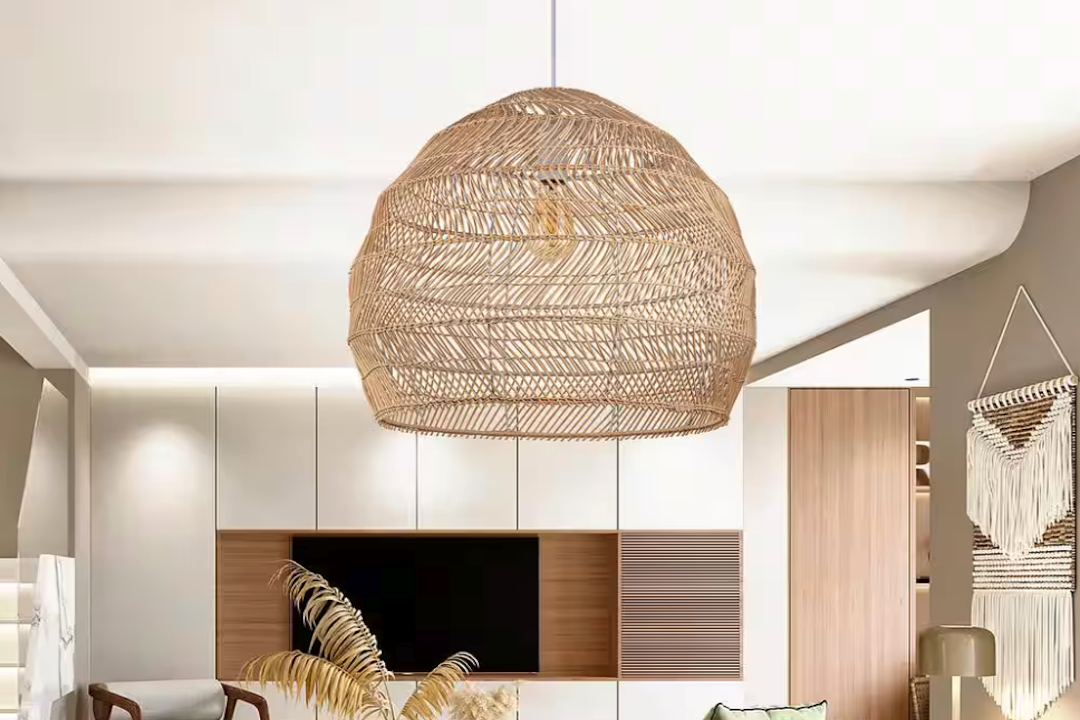
This article explores the integration of natural rattan pendant lamps into various interior design schemes. It provides practical considerations and historical context for this lighting fixture, a product of traditional craftsmanship meeting contemporary aesthetics.
Rattan, a climbing palm belonging to the Arecaceae family, is the primary material for these pendant lamp Casalucelighting. Native to tropical regions of Africa, Asia, and Australasia, rattan vines are known for their flexibility, durability, and relatively fast growth rate. This renewability makes rattan a more sustainable material compared to some hardwoods.
Rattan Harvesting and Preparation
The process of transforming raw rattan into usable material involves several steps. Harvesters carefully select mature vines, which are then cut and stripped of their thorny outer layers. The inner core, or cane, is then dried, often through traditional sun-drying methods, to prevent rot and mold. This drying process also enhances the rattan’s strength and pliability, essential characteristics for weaving and shaping.
Weaving Techniques
Skilled artisans employ various weaving techniques to create intricate patterns and structures from rattan. Common methods include:
- Coiling: Strips of rattan are wrapped around a central core, forming spirals or circular shapes.
- Wickerwork: Strands of rattan are interwoven around a rigid frame, creating open or closed patterns. This technique, though often associated with rattan, originated with willow and reed.
- Layering: Multiple layers of rattan strands are meticulously arranged and bound together to achieve desired forms and textures.
These techniques contribute to the diverse aesthetic range observed in rattan pendant lamps, from tightly woven, opaque designs to open, airy constructions.
Stylistic Versatility in Interior Design
Natural rattan pendant lamps demonstrate considerable stylistic versatility, allowing them to complement a range of interior aesthetics. Their inherent organic quality facilitates integration into both traditional and modern settings.
Bohemian and Eclectic Interiors
In bohemian and eclectic designs, rattan pendant lamps function as a central element, reinforcing the relaxed and unconventional atmosphere. Their natural texture and often intricate patterns resonate with the handcrafted and globally inspired objects common in these styles. You might consider pairing them with textiles showcasing global patterns, distressed furniture, or an array of potted plants to create a sense of harmony.
Scandinavian and Minimalist Aesthetics
Paradoxically, rattan lamps can also find a place in Scandinavian and minimalist interiors. Here, their natural texture introduces warmth and organic contrast to clean lines and muted color palettes. In a minimalist setting, a single, elegantly shaped rattan pendant can serve as a focal point without overwhelming the space. Consider placing it above a simple dining table or as ambient lighting in a bedroom that prioritizes uncluttered surfaces. The lamp becomes a quiet statement, a point of subtle visual interest.
Coastal and Tropical Themes
Unsurprisingly, rattan pendant lamps are a natural fit for coastal and tropical-themed interiors. They evoke the imagery of beachside dwellings and island retreats. Paired with light wood, sandy tones, and aquatic blues, these lamps enhance the desired vacation-like ambiance. They function as a bridge, connecting the interior space to the natural world just beyond its walls.
Modern Farmhouse and Rustic Decor
For modern farmhouse and rustic aesthetics, rattan pendant lamps can introduce a touch of organic refinement. Their handmade quality aligns with the emphasis on natural materials and craftsmanship inherent in these styles. Placed above a reclaimed wood dining table or in a living space featuring exposed beams, a rattan lamp can soften the robust lines of the furniture and architectural elements. It acts as an organic counterpoint to more robust, utilitarian forms.
Practical Considerations for Installation and Placement

Effective integration of a natural rattan pendant lamp involves more than just aesthetics; practical considerations regarding installation, light output, and scale are crucial.
Determining Optimal Height
The height at which a pendant lamp is suspended significantly impacts both illumination and visual balance. General guidelines suggest:
- Above a dining table: The bottom of the lamp should be approximately 30-36 inches (76-91 cm) above the tabletop, ensuring sufficient clearance for conversation and an unobstructed view. Consider variations based on ceiling height and table size.
- In an open living space: The lamp should be positioned high enough to avoid head obstruction, typically 7-8 feet (2.1-2.4 meters) from the floor, similar to general ceiling fixtures.
- Over a kitchen island: Similar to dining tables, 30-36 inches (76-91 cm) above the counter surface is a common practice. Multiple smaller pendants might be used here to distribute light evenly.
These are starting points; allow the specific architecture of your room and the lamp’s design to guide your ultimate decision.
Light Output and Diffusion
Rattan’s woven structure inherently influences light diffusion. Lamps with tighter weaves will cast more concentrated, directional light, while those with looser, more open weaves will provide a broader, softer ambient glow.
- Task lighting: For areas requiring focused illumination, such as over a kitchen island for food preparation, select a tightly woven design or consider incorporating multiple lamps.
- Ambient lighting: To create a warm, inviting atmosphere in a living room or bedroom, an open-weave rattan lamp that diffuses light broadly would be suitable. The light filters through the weave, creating intricate play of shadow and light on surrounding surfaces.
Consider using dimmable LED bulbs to adjust the light intensity and warmth, adapting to different activities and moods. The “temperature” of the light, measured in Kelvin, also matters; warmer tones (2700K-3000K) are often preferred for their inviting qualities.
Scale and Proportion
The size of the pendant lamp should be proportionate to the room and the furniture it illuminates. A lamp that is too small might appear insignificant, while an oversized one can dominate the space.
- Room size: For larger rooms with high ceilings, a substantial rattan pendant can make a statement. In smaller rooms, a more modestly sized lamp will maintain balance.
- Furniture relationship: When placed above a dining table, the lamp’s diameter should ideally be one-half to two-thirds the width of the table. This establishes a visual relationship without appearing overbearing or undersized.
- Ceiling height: In rooms with low ceilings, flush mount or semi-flush mount rattan fixtures might be more appropriate to maintain head clearance.
Think of the lamp as an anchor in the visual composition of the room, requiring a considered relationship to its surroundings.
Maintenance and Longevity
Natural rattan, while durable, requires some basic maintenance to preserve its appearance and structural integrity over time.
Cleaning Rattan
Dust and debris can accumulate in the intricate weaves of a rattan lamp. Regular cleaning is important:
- Dusting: Use a soft, dry cloth, a feather duster, or a vacuum cleaner with a brush attachment to gently remove dust.
- Spot cleaning: For specific stains, dampen a cloth with a mild soap solution (e.g., dish soap and water). Gently wipe the stained area and immediately dry with a clean, soft cloth. Avoid saturating the rattan, as excessive moisture can weaken the fibers.
- Deep cleaning (infrequent): For a more thorough clean, a slightly damp cloth can be used to wipe down the entire surface, followed by immediate drying. This should be a rare occurrence to prevent moisture damage.
Avoid harsh chemical cleaners, as these can strip the rattan of its natural oils and protective finishes.
Protecting Against Environmental Factors
Rattan is susceptible to certain environmental conditions that can shorten its lifespan:
- Direct sunlight: Prolonged exposure to direct sunlight can cause rattan to dry out, become brittle, and fade in color. Position your lamp away from unshaded windows if possible, or consider using UV-blocking window treatments.
- High humidity: While rattan is a tropical material, consistently high humidity without proper air circulation can encourage mold and mildew growth. Ensure good ventilation in humid environments.
- Extreme dryness: Conversely, excessively dry environments can also cause rattan to become brittle. In very dry climates, a humidifier might benefit not only the rattan but also other natural materials in your home.
Think of the rattan as a natural material that breathes; it fares best in stable, moderate environments.
Repairing Minor Damage
Small breaks or unraveling strands can often be repaired:
- Adhesive: For minor breaks, a strong, clear adhesive (such as wood glue or a craft adhesive suitable for natural materials) can be used to reattach broken strands. Hold the piece in place until the glue sets.
- Reweaving: For small sections that have come loose, it might be possible to carefully reweave them using a thin tool like a blunt needle or skewer. This requires patience and a gentle touch.
- Professional repair: For significant damage or structural issues, consider consulting a furniture restorer who specializes in wicker or rattan.
Proactive care and timely small repairs can significantly extend the life of your rattan pendant lamp, preserving its aesthetic appeal and functionality.
The Sustainable Choice
<?xml encoding=”UTF-8″>
| Metric | Value | Unit | Notes |
|---|---|---|---|
| Material | Natural Rattan | – | Handwoven rattan fibers |
| Diameter | 40 | cm | Average size of pendant lamp shade |
| Height | 30 | cm | Height of the lamp shade |
| Weight | 1.2 | kg | Approximate weight |
| Light Bulb Type | E27 | – | Standard screw base bulb |
| Max Wattage | 60 | W | Maximum recommended bulb wattage |
| Color | Natural Beige | – | Natural rattan color |
| Installation Type | Ceiling Pendant | – | Suspended from ceiling |
| Average Lifespan | 5 | Years | With proper care |
Choosing a natural rattan pendant lamp aligns with principles of sustainable consumption and environmental responsibility.
Renewable Resource
Rattan grows rapidly and regenerates quickly, making it a highly renewable resource compared to slow-growing timber. This quick turnover reduces pressure on old-growth forests and supports sustainable forestry practices in regions where rattan is harvested.
Biodegradable Material
At the end of its life cycle, rattan is biodegradable. Unlike synthetic materials, it will naturally decompose, returning to the earth without contributing to long-term landfill waste. This contrasts with plastic or metal fixtures, which often require energy-intensive recycling processes or persist in the environment for centuries.
Low Environmental Impact Manufacturing
The production of rattan pendant lamps typically involves minimal machinery and relies heavily on skilled manual labor and traditional weaving techniques. This often translates to a lower carbon footprint compared to the manufacture of mass-produced synthetic lighting fixtures. The process generally requires less energy and produces fewer pollutants.
Supporting Local Artisans
Many rattan products are crafted by artisan communities, particularly in Southeast Asia. By purchasing these lamps, you are often directly supporting these craftspeople, their families, and their traditional skills. This contributes to local economies and helps preserve cultural heritage. Your purchase becomes a small act of support for these communities.
Conclusion
The natural rattan pendant lamp is more than just a light source; it is an element of design that brings a tangible connection to nature within your living space. From its humble origins as a climbing vine, through the hands of skilled artisans, to its place in diverse interior settings, its journey reflects a blend of practicality, aesthetics, and increasingly, sustainability. By understanding its materiality, stylistic versatility, practical installation requirements, and maintenance needs, you can effectively integrate this fixture into your home. Its inherent qualities, from its warm diffusion of light to its tactile texture, offer a subtle yet impactful way to enhance your environment. Consider it a quiet statement of organic elegance, a small piece of the natural world woven into your daily life.