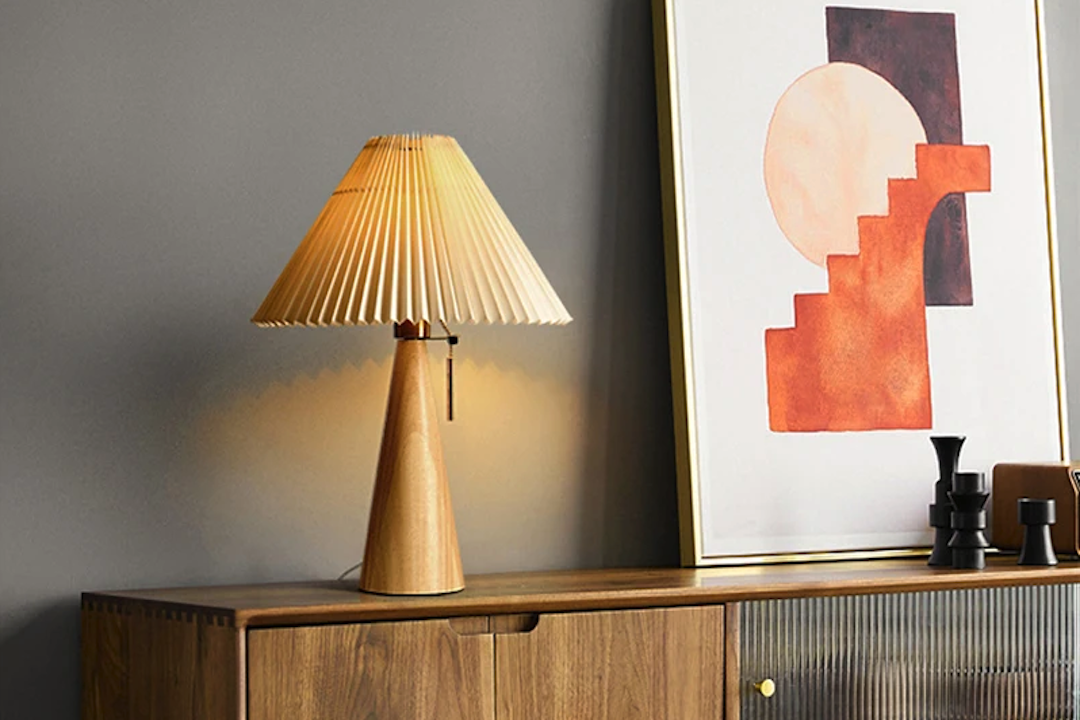
Looking to brighten up your study space? A Nordic birch wood table lamp can be a fantastic choice for creating that cozy, focused atmosphere you need. These lamps, with their natural materials and clean lines, offer a gentle yet effective way to illuminate your desk without the harshness of overhead lights or sterile office fixtures. They’re not just about light; they’re about contributing to a comfortable and productive environment, merging functionality with a calming aesthetic.
When you consider a lamp 88off for your study, the material might not be the first thing on your mind, but with Nordic birch wood, it should be. There’s a lot more to it than just an attractive grain.
The Beauty of Natural Materials
Birch wood, particularly from Nordic regions, has a unique charm. It’s known for its relatively light color, often with a subtle, almost creamy hue, and a fine, even grain. This natural appearance means each lamp will have its own individual character, a tiny piece of nature brought indoors.
- Warmth and Texture: Unlike metal or plastic, wood inherently brings a sense of warmth to a space. It adds a natural texture, making your study feel more inviting and less sterile.
- Neutral Aesthetic: The light color of birch makes it incredibly versatile. It doesn’t dominate a room but rather complements existing decor, whether your style is minimalist, bohemian, or even more traditional.
Durability and Sustainability
Beyond aesthetics, birch wood is a practical choice. It’s a hardwood, meaning it’s relatively dense and durable, capable of standing up to daily use in a study environment.
- Longevity: A well-made birch wood lamp isn’t something you’ll need to replace in a year or two. It’s an investment in your study space that will last.
- Eco-Friendly Choice: Birch is a fast-growing and abundant tree in Nordic forests. When sourced responsibly, as it typically is for these types of products, it’s a more sustainable option compared to materials that are energy-intensive to produce or are less renewable. Look for certifications if sustainability is a key factor for you.
Designing a Cozy Study Nook: The Lamp’s Role
The right lighting can transform a functional study area into a truly comfortable and inspiring space. A Nordic birch wood lamp plays a pivotal role in this transformation.
Creating Ambient and Task Lighting
A good study lamp needs to do double duty. It needs to provide enough focused light for reading or working on a computer, and it also contributes to the overall mood of the room.
- Focused Illumination: Most Nordic table lamps are designed to direct light downwards onto your work surface. This reduces glare on screens and provides ample light for reading physical books or documents, helping to prevent eye strain.
- Soft Glow: Even when directional, the light from these lamps, especially when paired with a good bulb, often has a softer quality than harsh overhead lights. This contributes to the “cozy” factor.
Integrating with Your Study’s Aesthetic
The clean, minimalist design typical of Nordic style makes these lamps incredibly easy to incorporate into various interior designs without clashing.
- Simplicity and Functionality: Nordic design prioritizes function and simplicity. These lamps often feature clean lines and uncluttered forms, which blend seamlessly into a focused study environment. They don’t distract; they enhance.
- Complementary Colors: The natural wood tone pairs well with almost any color scheme, from bold blues to muted grays and whites. It adds a touch of organic texture without introducing another competing color.
Key Features to Look for in Your Nordic Birch Lamp
Not all lamps are created equal, even within the same style. When choosing your Nordic birch wood table lamp, a few practical features can make a big difference in functionality and user experience.
Base and Stability
A stable lamp is a safe lamp, especially on a desk where you’re often moving things around.
- Weighted Bases: Check if the base is sufficiently weighted. Birch wood itself is relatively light, so some designs incorporate a metal base or a weighted core to prevent accidental tipping.
- Non-Slip Pads: Smallfelt or rubber pads on the bottom of the base can protect your desk surface and keep the lamp firmly in place.
Shade Material and Design
The shade isn’t just for looks; it dictates how the light is distributed.
- Fabric Shades: Often made from linen or cotton, fabric shades diffuse light beautifully, creating a soft, warm glow. They’re excellent for ambient lighting.
- Metal or Wood Shades: Some Nordic designs use metal or even thin birch wood veneers for the shade. These tend to direct light more precisely and can create interesting light patterns. Consider the direction of the light – is it mostly downwards, or does it also emit some light upwards or sideways?
- Open vs. Closed Tops: A shade with an open top will allow some light to escape upwards, providing a subtle upward glow that can make a room feel larger. A closed top sends all light downwards, which is ideal if you want to minimize upward glare or strictly contain the light.
Adjustable Features
Flexibility is a major plus in a study lamp, allowing you to adapt it to different tasks.
- Swivel Heads: A lamp head that can swivel or tilt allows you to direct light exactly where you need it, whether it’s focused on a book or angled away to reduce glare on a screen.
- Adjustable Arms: Some lamps feature articulated arms, letting you raise or lower the light source. This is incredibly useful for tailoring the light to your specific posture or task.
- Dimmer Switches: This is a highly underrated feature. A dimmer allows you to adjust the brightness, perfect for moving from intensive study to more relaxed reading without changing lamps. It also helps manage eye strain throughout the day.
Bulb Selection: The Unsung Hero of Illumination
You can have the most beautiful lamp in the world, but if you pair it with the wrong bulb, it won’t perform as expected. Bulb choice is crucial for a cozy and functional study environment.
Understanding LED Bulbs for Study
LEDs are the go-to choice nowadays, and for good reason. They’re efficient and offer a wide range of options.
- Energy Efficiency: LEDs consume significantly less energy than incandescent bulbs, saving you money on your electricity bill and reducing your carbon footprint.
- Longevity: LEDs last much longer than traditional bulbs, meaning fewer replacements and less hassle.
- Minimal Heat Emission: Unlike incandescent bulbs, LEDs produce very little heat, which is a big plus when a lamp is close to your work surface or skin.
Color Temperature: Setting the Mood
This is where the “cozy” factor really comes into play. Color temperature, measured in Kelvin (K), dictates the perceived warmth or coolness of the light.
- Warm White (2700K – 3000K): This is your best bet for a cozy study. It mimics the warm glow of traditional incandescent bulbs, promoting relaxation and comfort. It’s ideal for reading and creating an inviting atmosphere.
- Natural White/Daylight (3500K – 5000K): While sometimes recommended for task lighting, these can feel a bit too cool or stark for a truly cozy environment, especially in the evenings. If you need brighter, more focused light for intricate tasks, you could use a daylight bulb on a dimmer, but for general study and comfort, warm white is often preferred.
- Avoiding Cool White (>5000K): Definitely avoid anything above 5000K for a study. These cool, almost blue-toned lights are great for technical work environments but are counter-productive for creating a relaxing, focused study space.
Brightness (Lumens) and Wattage Equivalent
Don’t just look at wattage; focus on lumens for actual brightness.
- Lumens: Aim for around 800-1000 lumens for a primary task/desk lamp. This is roughly equivalent to a 60-75 watt incandescent bulb. If your lamp has a dimmer, you have more flexibility.
- Wattage Equivalent: Many LED bulbs will still list an “equivalent” incandescent wattage, which can be a helpful guide if you’re used to those terms.
Placement and Arrangement for Optimal Lighting
Even the perfect lamp needs to be placed correctly to maximize its effectiveness and contribute to a well-lit study environment.
Where to Position Your Lamp
Strategic placement can make all the difference in preventing glare and maximizing illumination.
- Opposite Your Dominant Hand: If you’re right-handed, place the lamp to your left. If you’re left-handed, place it to your right. This minimizes shadows cast by your hand as you write or work.
- Eye Level or Slightly Below: The bottom of the lamp shade should typically be at or slightly below eye level when you’re seated. This prevents the bare bulb from being visible and causing glare.
- Behind the Monitor (for screen work): If your primary work is on a computer, some designers suggest placing a light source behind your monitor to reduce eye strain from screen contrast, though a table lamp usually serves more as accent or direct task lighting.
Combining with Other Light Sources
A single table lamp might not be enough for a whole room, and it often works best in conjunction with other lights.
- Layered Lighting: Think about layering your lighting. Your Nordic table lamp is excellent for task lighting and creating a cozy pool of light. Combine it with softer ambient lighting (like a floor lamp or diffused overhead light) and perhaps even some accent lighting (like a small picture light) to create a well-rounded and versatile lighting scheme.
- Avoiding Overlighting: Resist the urge to over-light your study. Too much light can be just as bad as too little, leading to glare and an uncomfortable, un-cozy feeling. The goal is balanced illumination.
Maintenance and Care for Your Birch Lamp
Keeping your Nordic birch wood lamp in good condition is straightforward and helps ensure its longevity and continued beauty.
Simple Cleaning Practices
Wood is a natural material and benefits from gentle care.
- Dust Regularly: Use a soft, dry microfiber cloth to dust the wood base and shade frequently. This prevents dust buildup, which can dull the appearance of the wood and make the lamp look neglected.
- Wipe with a Damp Cloth (Sparingly): If there’s a stubborn mark, slightly dampen your cloth with water (no harsh chemicals!) and wipe gently. Pat dry immediately. Avoid excessive moisture, as wood and water don’t mix well over time.
Protecting the Wood Finish
Most birch wood lamps will have a protective finish, but it’s still good to be mindful.
- Avoid Harsh Chemicals: Never use abrasive cleaners, polishes, or chemical sprays directly on the wood. These can strip the finish or cause discoloration.
- Heat and Moisture: Keep the lamp away from direct heat sources (like radiators) or areas of high humidity, as these can cause the wood to warp or crack over time.
- Sunlight Exposure: While some sunlight is fine, prolonged exposure to direct, intense sunlight can fade the wood over many years. If your study gets a lot of sun, consider rotating your lamp or using blinds during peak sun hours.
By paying attention to these details, from the natural beauty of birch to the subtle nuances of bulb selection and placement, you can select and integrate a Nordic birch wood table lamp that not only illuminates your study but truly transforms it into a haven of focused comfort. It’s about creating a space where you genuinely enjoy spending time, making studying and working a more pleasant and productive experience.