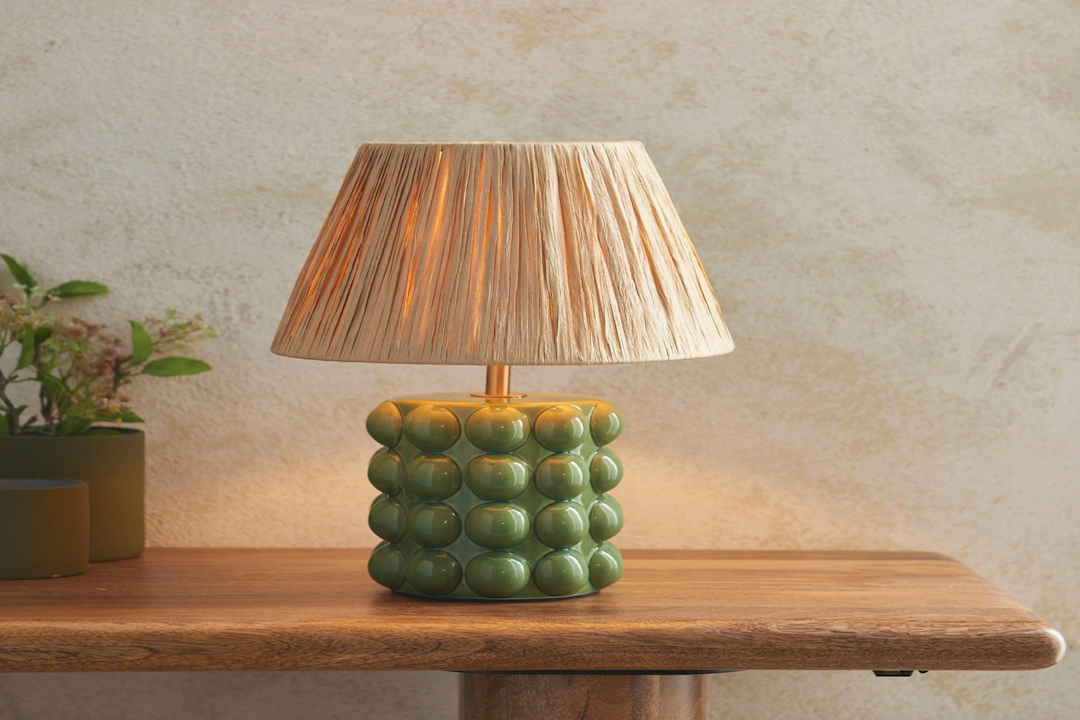
So, you’re wondering about modern porcelain table lamps, and whether they’re still a thing, or if they’ve somehow morphed into something totally new. The quick answer is yes, absolutely, they are not only a thing, but they’re experiencing a bit of a renaissance. Forget the dusty, ornate pieces you might associate with your grandmother’s parlor; today’s porcelain table lamps are sleek, often minimalist, and designed with current interior trends in mind. They offer a unique blend of artistry and functionality, bringing a soft, diffused light and a touch of organic elegance to almost any space. They’re definitely worth a look if you’re sprucing up your home.
Let’s unpack why porcelain, of all materials, continues to captivate designers and homeowners alike when it comes to lighting. It’s not just about tradition; there’s something inherently special about it.
More Than Just a Material
Porcelain isn’t just “fancy ceramic.” It’s a specific type of ceramic, fired at extremely high temperatures, which gives it distinct properties. This high firing results in a material that is incredibly durable, non-porous, and, crucially for lighting, possesses a beautiful translucency when thin. This translucency is what allows the Jievik light to glow softly from within, creating that coveted ambient illumination. It’s a material that feels substantial and premium, without being overly heavy or clunky.
A Canvas for Creativity
Because porcelain can be molded and sculpted with precision before firing, it offers an incredible canvas for designers. You’ll find lamps in all sorts of forms, from perfectly geometric shapes to free-flowing, organic designs. The material also takes glazes and finishes exceptionally well, opening up a world of color and texture possibilities beyond just plain white. This versatility is key to how modern porcelain lamps are continually reinventing themselves.
Key Characteristics of Modern Porcelain Lamps
When we talk about “modern,” what exactly are we looking for in a porcelain table lamp? It’s not just about being new; it’s about a particular design philosophy.
Clean Lines and Minimalist Forms
This is probably the most defining characteristic. Modern porcelain lamps often shy away from excessive ornamentation. Instead, they focus on the beauty of simplicity – clean lines, geometric shapes, and a smooth, unblemished surface. Think spheres, cylinders, elegant curves, or abstract sculptural forms. The silhouette itself becomes the primary design element. This minimalist approach allows the lamp to integrate seamlessly into a wide range of contemporary interiors, from Scandinavian-inspired to industrial chic. The absence of clutter means the lamp itself becomes a quiet, yet impactful, statement piece.
Subtlety in Illumination
Unlike lamps designed primarily for task lighting, modern porcelain lamps excel at providing ambient or accent lighting. The natural translucency of porcelain diffuses the light beautifully, creating a soft, warm glow that’s incredibly inviting. It’s rarely about harsh directionality; instead, it’s about creating an atmosphere. This diffused light can help to soften the edges of a room, reduce glare, and generally contribute to a more relaxed and comfortable environment. Many designs incorporate an internal light source, allowing the entire porcelain body to glow, rather than just a lampshade.
A Blend of Textures and Finishes
While smooth, unglazed bisque porcelain is popular for its matte, tactile quality, modern designs also incorporate a variety of finishes. You might see:
- Matte Glazes: These offer a sophisticated, understated look, often in muted tones like charcoal, dove gray, or deep forest green. They absorb light rather than reflecting it, creating a very calm presence.
- Glossy Glazes: For a touch more reflectivity and a slightly more formal feel, glossy finishes can highlight the porcelain’s curves and contours. These can come in a spectrum of colors, from vibrant jewel tones to classic whites and creams.
- Bisque (Unglazed) Porcelain: This offers a wonderfully tactile, chalky finish that feels incredibly natural and organic. It’s often chosen for sculptural forms where the texture itself is part of the appeal. Light interacting with an unglazed surface creates a very unique, warm diffusion.
- Textured Surfaces: Some designers incorporate subtle textures directly into the porcelain mold, creating ripples, striations, or organic patterns that are revealed when the light passes through or reflects off them. This adds another layer of visual interest without resorting to overt decoration.
Versatility in Placement and Style
One of the great strengths of modern porcelain table lamps is their adaptability. They aren’t confined to a single aesthetic or room.
Enhancing Various Design Styles
Don’t pigeonhole these lamps into just one “modern” look. While they naturally fit well with minimalist and contemporary decor, they can also:
- Soften Industrial Spaces: The organic nature of porcelain can provide a beautiful counterpoint to the raw, utilitarian elements often found in industrial interiors (exposed brick, metal, concrete). A smooth, glowing porcelain lamp can introduce warmth and refinement.
- Elevate Scandinavian Interiors: The emphasis on natural materials, light, and clean design in Scandinavian aesthetics makes porcelain lamps a natural fit. Their often muted color palettes and simple forms complement this style perfectly, adding a touch of Nordic hygge.
- Add Intrigue to Eclectic Settings: In a more eclectic space, a modern porcelain lamp can act as a quiet anchor, providing a sophisticated focal point without competing with other varied elements. Its understated elegance allows it to blend while still holding its own.
- Introduce Modernity to Transitional Rooms: If you’re bridging between traditional and modern styles, a modern porcelain lamp can be the perfect touch. Its timeless material offers a nod to classic design, while its contemporary form updates the space.
Perfect for Different Rooms
Think beyond just the living room. These lamps can excel in numerous areas of your home:
- Bedside Tables: Ideal for creating a calming, soft glow that’s perfect for winding down. Many designs are compact enough not to overwhelm smaller nightstands. The diffused light is less jarring than a direct lamp when you’re half-asleep.
- Console Tables (Hallways/Entryways): Make a welcoming statement. A pair of matching porcelain lamps can create symmetry and visual interest, offering a gentle illumination that sets the tone for your home.
- Side Tables (Living Rooms/Dens): Provide functional ambient lighting and serve as sculptural decor. They can easily complement existing furniture without clashing.
- Home Office Desks: While not typically task lamps, a porcelain lamp can add warmth and personality to a workspace, creating a more inviting environment when working late.
- Dining Room Buffets/Sideboards: Offer a sophisticated decorative element and a softer lighting option for entertaining, creating a more intimate atmosphere than overhead lights alone.
- Even Bathrooms: With proper placement and consideration for moisture, a small, sculptural porcelain lamp can elevate a bathroom vanity or countertop, adding a spa-like feel.
What to Look for When Buying
So, you’re convinced. You want one (or two!). But how do you choose with so many options out there?
Size and Scale
This is often overlooked but crucial. A lamp that’s too small will disappear, while one that’s too large will overwhelm a space.
- Consider the height of the surface it will sit on. You generally want the bottom of the lampshade (if it has one) or the brightest part of the light source to be roughly at eye level when you’re seated nearby, to avoid glare.
- Measure the width of your table to ensure the lamp’s footprint isn’t too large or too small. Leave some breathing room around the base.
- Think about the overall visual weight. A lamp with a very substantial base might be appropriate for a large, heavy console, while a slender design would be better suited for a delicate side table. Visual balance is key.
Light Output and Direction
This ties into the lamp’s intended purpose.
- Ambient Light: Many modern porcelain lamps are designed to emit a soft, diffused light from within the porcelain body. This is perfect for creating mood and atmosphere. In this case, look for designs where the porcelain itself glows evenly.
- Upward/Downward Glow: Some designs might have openings at the top or bottom, directing a more focused light upwards onto a wall or ceiling, or downwards onto the surface it sits on. This adds an architectural element.
- Bulb Type: Check the recommended bulb type and wattage. Many modern lamps use LED bulbs, which are energy-efficient and long-lasting. Consider if you want dimmable functionality to control the light intensity. A warm white (2700K-3000K) LED is usually best for ambient light in a home setting.
Base and Shade (If Applicable)
Not all modern porcelain lamps have traditional shades; many use the porcelain body itself as the diffuser. However, if a shade is present, consider these points:
- Shade Material: Linen, cotton, or even metal can be used. Each will affect the light cast. A translucent fabric shade will still allow some light diffusion, while an opaque shade will direct light more forcefully up and down.
- Shade Shape: A drum, cone, or rectangular shade will dictate the light’s spread and the overall aesthetic. Ensure the shade proportions are harmonious with the porcelain base. Often, you’ll see clean, simple shade shapes that complement the minimalist base.
- Base Material (for mixed materials): Sometimes, porcelain is combined with other materials like wood, brass, or blackened steel for the base. This can add another layer of texture and warmth. Ensure these materials complement your existing decor. A contrasting material base can also make the porcelain element stand out even more.
Quality and Craftsmanship
Porcelain is a delicate material during its creation, and the quality of the finished product can vary.
- Look for even glazing or consistent unglazed finishes. There shouldn’t be obvious imperfections, chips, or cracks (unless intentionally part of the design, like specific raku-fired pieces, which are less common for modern table lamps).
- Inspect fittings and electrical components. Are they sturdy and well-assembled? Is the cord good quality? These are often subtle indicators of overall craftsmanship.
- Reputable Brands/Artists: When possible, purchase from known brands or independent ceramic artists with good reviews. This often indicates a commitment to quality. Hand-fired porcelain pieces from individual artists can have unique variations that add to their charm.
Caring for Your Porcelain Lamp
Porcelain, while durable, still benefits from a bit of careful handling and maintenance to keep it looking its best.
Gentle Cleaning is Key
- Dust Regularly: A soft, dry microfiber cloth is usually sufficient for dusting. For textured surfaces, a soft brush (like a clean paintbrush) can help get into crevices. Regular dusting prevents buildup that can become harder to clean later.
- For Smudges/Marks: If you have fingerprints or light marks, use a slightly damp cloth (dampened with plain water) and wipe gently. Follow immediately with a dry cloth to prevent water spots, especially on unglazed surfaces.
- Avoid Harsh Cleaners: Chemical sprays, abrasive cleaners, or even furniture polish can damage glazes, leave residues, or stain unglazed porcelain. Stick to water.
- For Stubborn Spots (Rare): If you encounter a particularly stubborn, non-greasy spot on glazed porcelain, a very diluted solution of mild dish soap and water might work, but test it on an inconspicuous area first. Rinse thoroughly and dry completely.
- Unglazed Porcelain: Be extra careful with unglazed, bisque porcelain, as it’s more porous and can absorb oils or liquids. Avoid leaving anything oily on it. For specific stains, some ceramic artists recommend a magic eraser very gently for specific marks, but always, always test first and use with extreme caution as it’s an abrasive.
Handling with Care
- Lift from the Base: Always lift your lamp from its base, not by the neck, shade, or electrical cord. This prevents stress on the joints and wiring.
- Stable Placement: Ensure the lamp is on a stable, level surface where it won’t be easily knocked over. Given porcelain’s inherent hardness, a fall from even a small height can result in breakage.
- Bulb Changes: When changing bulbs, ensure the lamp is unplugged. Handle the bulb carefully; don’t twist the porcelain base too hard if it’s secured with a threaded collar.
- Temperature Fluctuations: While fired at high temperatures, extreme, rapid temperature changes can still be risky, especially for very old or thin porcelain. This is generally not an issue for indoor table lamps but is something to be aware of if, for instance, you were to move it from a very cold environment to a very warm one quickly.
In conclusion, modern porcelain table lamps are far from a relic of the past. They are vibrant, versatile, and offer a sophisticated way to illuminate and adorn your home. By understanding their unique qualities and knowing what to look for, you can find a piece that not only lights your space but also adds enduring beauty and a quiet sense of artistry. They’re a smart investment for anyone looking to add a touch of refined elegance to their decor.