
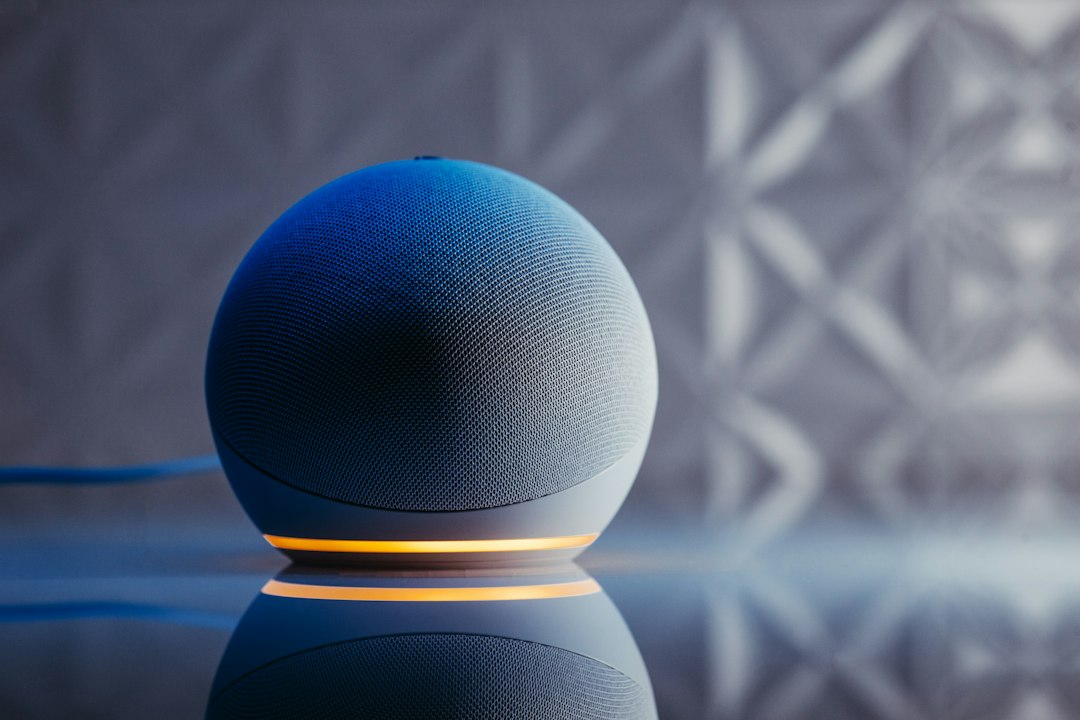
So, you’re looking for a nursery lamp that’s more than just a light source, something that simplifies nighttime routines and adds a touch of charm without being overly complex? A voice-controlled, globe-shaped portable lamp designed specifically for nurseries could be just the ticket. These lamps offer a hands-free way to adjust lighting, a comforting spherical design, and the flexibility to move it wherever it’s needed, making them a practical and aesthetically pleasing choice for any parent or caregiver.
The Appeal of Voice Control in a Nursery Setting
Voice control isn’t just a gimmick; it’s a genuine convenience, especially when your hands are full – which, let’s be honest, is most of the time with a baby. Imagine being able to dim the lights for a late-night feeding or brighten them slightly for a diaper change, all without fumbling for switches or buttons.
Hands-Free Convenience for Parents
Picture this: you’re holding a sleeping baby, carefully trying to transfer them to the crib. The room is dark, and you need a bit more light to see, but you can’t reach the wall switch without potentially waking them. With a voice-controlled lamp, a simple, quiet command like “dim the light” or “turn on the lamp” can provide just the right amount of illumination without disturbing your little one. This ease of use is a major selling point, reducing friction in those delicate moments. It also eliminates the need to navigate a dark room, searching for a physical switch on the lamp itself or a wall panel, which can be awkward and noisy. For middle-of-the-night wake-ups, this hands-free operation becomes invaluable, allowing you to focus entirely on your baby rather than wrestling with controls.
Integration with Smart Home Ecosystems
Many voice-controlled lamps are designed to integrate seamlessly with popular smart home platforms like Amazon Alexa or Google Assistant. This means that if you already have an existing smart home setup, adding this lamp is usually a straightforward process. You can control it using the same voice commands you use for other smart devices, making your nursery lighting part of a larger, cohesive system. This integration can extend beyond simple on/off commands, allowing for more complex routines. For instance, you could set up a “bedtime routine” that automatically dims the nursery lamp, plays a lullaby from another smart speaker, and even adjusts the room temperature, all with a single voice command. The beauty of this is that it doesn’t require learning a new interface or app; it leverages the technology you might already be comfortable with.
Understanding Voice Recognition Capabilities
While voice control is great, it’s worth understanding its limitations. Most nursery-focused voice-controlled lamps are designed for basic commands like “turn on,” “turn off,” “dim,” “brighten,” and “change color” (if applicable). They typically aren’t going to understand complex sentences or conversational requests. The key is clear, concise commands. Some lamps might have built-in microphones for direct voice control, while others might rely on a smart speaker in the room to relay commands. It’s important to check the product specifications to understand how the voice control works and what kind of commands it responds to. Reliability is also a factor; a good voice-controlled lamp should consistently recognize commands, even with background noise typical of a nursery, like a quiet fan or white noise machine.
The Practical Benefits of a Globe-Shaped Design
Beyond the cool tech, the physical design of the lamp plays a significant role in its suitability for a nursery. A globe shape isn’t just visually appealing; it offers several practical advantages that enhance safety and functionality.
Soft, Diffused Lighting
A spherical lamp naturally diffuses light in all directions, creating a soft, even glow rather than a harsh, directional beam. This is crucial for a nursery where you want to avoid sharp shadows or bright spots that could be jarring for a baby’s developing eyes. The diffused light helps to create a calming ambiance, perfect for winding down before bedtime or for gentle illumination during nighttime feedings. Unlike lamps with exposed bulbs or directed light, the globe design minimizes glare, making it more comfortable for both baby and parent. The even distribution of light also helps to illuminate the entire room subtly, preventing dark corners that can feel unwelcoming or create tripping hazards in the dark.
Child-Safe and Durable Construction
The absence of sharp edges and a generally robust, often shatter-resistant material are hallmarks of a good nursery lamp. Globe lamps often use sturdy plastics like ABS or silicone, which are less likely to break if accidentally knocked over. This rounded form factor also means there are no corners for little ones to bump into once they become mobile. Furthermore, the enclosed nature of many globe lamps keeps little fingers away from light bulbs or electrical components, adding an extra layer of safety. When choosing, look for certifications that indicate child-safe materials and construction. The design itself, being self-contained and often seamless, also reduces the places where dust and dirt can accumulate, making cleaning easier and contributing to a healthier environment.
Aesthetic Appeal and Versatility in Decor
A simple globe shape is timeless and versatile. It blends easily with various nursery themes, from modern minimalist to whimsical or traditional. It doesn’t scream “baby item” but rather adds a sophisticated, understated element to the room. The clean lines and gentle form can contribute to a serene and uncluttered aesthetic, which can be calming for both baby and parent. Many globe lamps also come in a variety of finishes or can change colors, allowing you to further customize the mood and match the existing decor. Its unobtrusive nature means it can be a subtle addition or a charming focal point, depending on how it’s integrated into the room’s design. This versatility ensures the lamp won’t look out of place as your child grows and the nursery evolves into a toddler’s room.
The Portability Factor: Why It Matters
A fixed lamp has its place, but in a nursery, portability brings a whole new level of flexibility and convenience. Being able to move the light source around the room, or even to different rooms, can significantly simplify various tasks.
Moving Light Where It’s Needed Most
Think about those moments when you need light not just at the changing table, but also by the crib for a check-in, or near the rocking chair for a feeding. A portable lamp means you don’t have to rely on overhead lighting or fixed wall lamps that might be too bright or positioned incorrectly for the task at hand. You can bring the light source directly to where you need it, providing focused illumination without disturbing the rest of the room. This targeted lighting is especially useful when you want to avoid waking a sleeping partner or other children in the house. It’s about having the right amount of light, exactly where you need it, when you need it. This mobility also prevents the need for multiple fixed lamps, simplifying electrical outlets and reducing clutter.
Battery Life and Charging Options
For true portability, battery life is key. A good nursery lamp should offer several hours of illumination on a single charge, ideally enough to get through a typical night’s worth of feedings and changes without needing to be plugged in constantly. Look for lamps with clear indicators of battery level. Charging options are also important; many portable lamps use a standard USB-C connection, making them easy to charge with existing cables and power bricks. Some might offer a charging dock, which can be convenient for simply placing the lamp down when not in use. The goal is convenience, so a lamp that needs frequent, long charging times can negate the benefits of portability. Fast-charging capabilities are a bonus, ensuring the lamp is ready when you need it, even if you forgot to charge it earlier.
Safety Considerations for Portable Lamps
When dealing with portable electronics, especially in a nursery, safety is paramount. Ensure the lamp itself is cool to the touch, even after extended use, as heat can be a hazard. Check that the charging port is well-protected and that the lamp is stable on various surfaces, preventing accidental tipping. Avoid lamps with small, detachable parts that could pose a choking hazard. Look for cordless designs or ones with short, integrated charging cables that won’t create a tripping risk. Furthermore, consider the material; a robust, non-toxic casing is essential. If the lamp has internal batteries, ensure they are safely enclosed and not user-replaceable unless designed with specific safety measures in place to prevent tampering.
Beyond the Basics: Advanced Features for Nursery Lamps
While the core functionality of a light source is essential, many modern nursery lamps offer a range of additional features that can enhance their utility and provide extra comfort for both baby and parent.
Adjustable Brightness and Color Temperature
A nursery lamp should be able to do more than just turn on and off. The ability to adjust brightness levels from a very dim nightlight to a brighter illumination for changing diapers is crucial. Equally important is control over color temperature. Warmer, amber tones are generally better for promoting sleep, as they don’t suppress melatonin production like cooler, bluer lights. Being able to switch between a warm glow for nighttime routines and a slightly cooler, brighter light for tasks can be very beneficial. Some lamps even offer a “red light” mode, which is particularly gentle on the eyes in the dark and least disruptive to sleep cycles. This level of control allows parents to tailor the lighting to specific needs throughout the day and night.
Built-in Sleep Aids: Sounds and Timers
Many advanced nursery lamps incorporate features designed to help soothe babies to sleep. This might include a selection of white noise, lullabies, or nature sounds. Having these integrated into the lamp itself reduces the need for separate devices, streamlining the nursery setup. Timers are another useful addition, allowing you to set the light to gradually dim over a period or to turn off automatically after a certain amount of time, conserving battery and ensuring the room isn’t brightly lit unnecessarily. Some even feature “wake-up light” functions that simulate a sunrise, gently brightening the room to help ease children into their day. These holistic features can contribute significantly to establishing healthy sleep routines.
Remote Control and App Integration
While voice control is great, there are times when a physical remote or an app on your smartphone offers more precise or silent control. A small, simple remote can be handy for adjusting settings without needing to speak, which is ideal if you don’t want to wake a partner or a very light sleeper. App integration often provides the most comprehensive control, allowing you to fine-tune brightness, color, set schedules, and access advanced features from your phone. This can be particularly useful for parents who prefer a visual interface or want to manage settings from another room. Ensure that any app is user-friendly and doesn’t require complex setup, as simplicity is key for busy parents.
Making the Right Choice: What to Look For
With so many options on the market, narrowing down the best voice-controlled, globe-shaped portable lamp for your nursery can feel a bit overwhelming. Focusing on a few key aspects will help you make an informed decision.
Prioritizing Safety Certifications
This is non-negotiable. Look for lamps that carry relevant safety certifications for electrical devices and children’s products. In the US, this might include UL listing, and in Europe, CE marking. These certifications indicate that the product has met specific safety standards regarding electrical components, materials, and construction. Beyond electrical safety, inquire about the materials used. Are they BPA-free, lead-free, and non-toxic? A globe lamp made from medical-grade silicone or durable, child-safe ABS plastic is preferable. The overall design should also prevent curious little fingers from accessing internal components or small, detachable parts. A heavy, stable base is also important to prevent tipping.
Assessing Durability and Material Quality
A nursery lamp is going to be handled, potentially knocked over, and will need to withstand the general wear and tear of a child’s room. Opt for models made from robust, high-quality materials. Shatter-resistant plastic or silicone is much better than glass. Consider the finish; is it easy to clean? A smooth, non-porous surface will be easier to wipe down and keep hygienic. Read reviews about how well the lamp holds up over time. A product that feels flimsy or uses cheap components is unlikely to last through the toddler years, let alone as a comforting night light for older children. Longevity reduces waste and provides better value for your money.
Ease of Use and Setup
The best technology is intuitive. A nursery lamp should be easy to set up, ideally plug-and-play, or with a straightforward app pairing process. The voice control commands should be simple and consistently recognized. If there’s an app, it should be user-friendly with clear navigation. Look for lamps with minimal buttons and intuitive controls if manual operation is an option. Complexity can be frustrating, especially when you’re sleep-deprived. Consider how easily you can understand the instructions and get the lamp working right out of the box. A good product will have a clear, concise manual and potentially helpful online resources or video tutorials.
Price Point vs. Features
Finally, consider your budget. There’s a wide range of prices for smart nursery lamps, from basic models to those packed with every conceivable feature. Determine which features are truly essential for your family and which are “nice-to-haves.” Sometimes paying a bit more for better durability, more reliable voice control, or superior safety features is a worthwhile investment. However, don’t feel pressured to buy the most expensive option if a more affordable model meets your primary needs. Compare different brands and models, looking for a good balance between price, features, and quality. Remember that the long-term value, in terms of safety, durability, and convenience, often outweighs the initial cost.